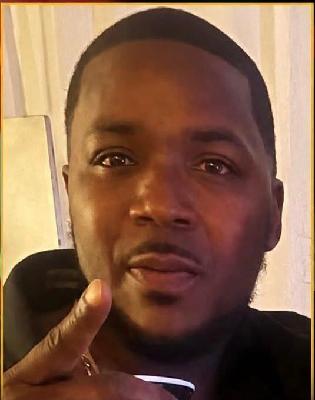
In the winter of 1986, the life of 27-year-old Thomas Underwood, a male resident of Jacksonville, Florida, was tragically cut short. On January 12th of that year, Underwood became the victim of a violent robbery that ended in his murder. For three years, the circumstances surrounding his death remained a mystery, leaving his family and the community grappling with unanswered questions and a sense of unresolved justice. The case grew cold, with no suspects identified and no arrests made, casting a long shadow over the city.
The breakthrough in the case came unexpectedly from a confession that emerged from within the prison system. Michael Durocher, a man already serving a life sentence for another murder, admitted to killing Thomas Underwood. His confession painted a grim picture of a robbery that had escalated to a fatal encounter. Durocher's admission finally provided the authorities with the missing piece of the puzzle, officially closing the book on the long-unsolved murder of Thomas Underwood and bringing a name to the person responsible for his untimely death.
With the confession, the wheels of justice began to turn for the murder of Thomas Underwood. Michael Durocher, already a convicted killer, was subsequently tried and sentenced to death for Underwood's murder. However, his ultimate fate was sealed by another, earlier crime. Durocher was executed for a separate triple murder he had committed. The resolution of Thomas Underwood's case, while bringing a conviction, was intertwined with the larger and more violent criminal history of his killer, a serial offender whose confession brought a somber conclusion to a case that had remained unsolved for years.