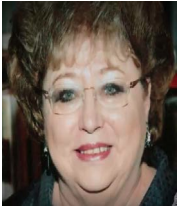
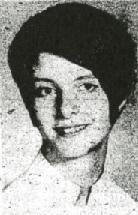
In March of 1979, the life of 25-year-old Emma Jenefor, a female residing in Denver, Colorado, was tragically cut short. For days, her family had been unable to reach her, a silence that grew more concerning with each passing hour. On the morning of March 26, their fears were realized when family members, with the assistance of the Denver Police Department, gained entry into her apartment in the Cherry Creek neighborhood. There, they made a grim discovery: Emma was deceased, her body found in the bathtub of her home on Garfield Street. An subsequent investigation would determine that she had been strangled, the victim of a brutal homicide that would leave her loved ones grappling with unanswered questions for decades.
For years, Emma Jenefor's case remained unsolved, one of the many cold cases that haunted the Denver Police Department. The trail for her killer had seemingly gone cold, with no immediate suspects or arrests made in the initial investigation. Her family was left to navigate their grief without the closure of knowing who was responsible for her death. The passage of time did little to dull the pain of their loss, and the question of who had taken Emma's life and why remained a painful mystery. The lack of answers meant that justice for Emma was delayed, a wound that remained open for her family and the community.
Decades later, a breakthrough in forensic technology would finally shed light on the darkness that had shrouded Emma Jenefor's case. As part of a review of unsolved homicides by Denver's Cold Case Review Team, DNA evidence from the crime scene was re-examined. This analysis led investigators to a man named Vincent Groves, a prolific serial killer who was already deceased, having died in prison in 1996 while serving time for other murders. The DNA match was conclusive, posthumously identifying Groves as the man responsible for Emma's death. Further investigation revealed that Groves was a suspect in numerous other homicides of women in the Denver area during the same time period. While there would be no trial or conviction for the murder of Emma Jenefor due to Groves's death, the identification of her killer finally provided a long-awaited answer to her family. The case, once a cold and perplexing mystery, was officially solved, bringing a measure of closure to a tragedy that had lingered for over three decades and exposing the reign of a serial killer who had terrorized the city.