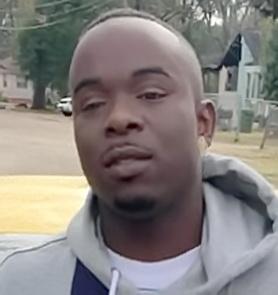
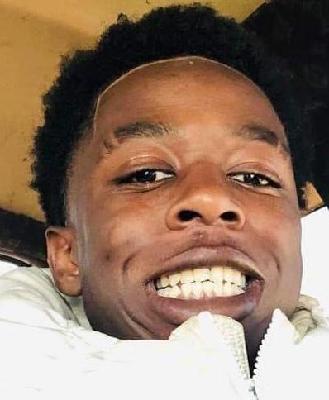
In the early summer of 2026, the life of 19-year-old Jaquan Tennille was tragically cut short in Montgomery, Alabama. On the evening of Monday, June 1, 2026, events unfolded that would end in a senseless act of gun violence. Tennille was in his vehicle on Del Rita Place when he was shot. The grievous injury caused him to lose control of his car, which then crashed into a nearby house. First responders arrived at the chaotic scene to find Tennille with life-threatening injuries.
He was rushed to a local hospital, but despite the efforts of medical professionals, he succumbed to his wounds.
The initial investigation by the Montgomery Police Department swiftly moved from an attempted murder to a homicide case. Within days, authorities had identified a suspect. The investigation led to the arrest of a juvenile, whose identity was not publicly disclosed due to their age. This individual was taken into custody and is being held at the Montgomery County detention facility. The gravity of the offense was reflected in the serious charges brought against the young suspect: two counts of capital murder. This development marked a significant step in the case, bringing a small measure of progress in the quest for justice for Jaquan Tennille and his grieving family.
As the case moved into the legal system, details surrounding the motive for the shooting and the specifics of the investigation remained largely confidential. The nature of the charges, capital murder, underscores the severity of the crime. However, because the accused is a minor, the subsequent court proceedings, including any potential trial, conviction, and sentencing, are not a matter of public record. The case is being handled within the juvenile justice system, which prioritizes the rehabilitation of young offenders and, as such, shields their identities and the details of their cases from public view. Therefore, while an arrest has been made, the final legal outcome, including any conviction or punishment, remains undisclosed to the public. The narrative of Jaquan Tennille's untimely death is one of a life lost to violence, with the subsequent legal chapter unfolding away from the public eye, a common practice in cases involving juvenile offenders.