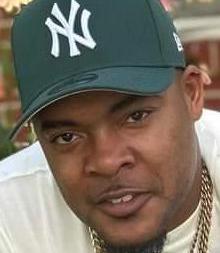
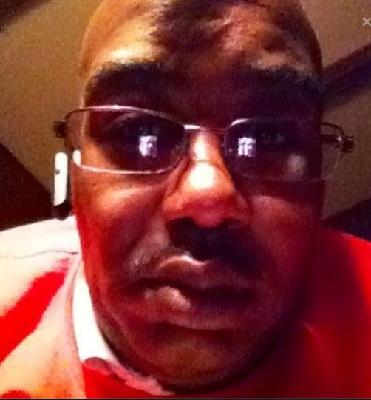
Rodriquez Smith, an 18-year-old Black male from Montgomery, Alabama, was caught in a burst of gunfire on the evening of May 24, 2015, when shots erupted at the Smiley Court Apartments. Police and fire medics were dispatched to the 3800 block of East Smiley Court around 7 p.m. after reports of gunfire, and they found four men suffering from gunshot wounds.
Two of the victims were initially described as having life-threatening injuries, and Smith was rushed to the hospital, where he was later pronounced dead.
In the first chaotic hours, investigators sealed off the entrance to the apartment complex and began sorting out what happened, saying early on that two people were already in custody while charges were still pending. As the investigation matured, detectives tied multiple people to Smith’s death and characterized the case as one involving reckless murder charges stemming from the shooting at Smiley Court.
Weeks later, Montgomery police announced a third arrest: Adrian Banks, 23, who was charged with reckless murder and held in the Montgomery County Detention Facility on a $150,000 bond. Police said Banks joined two other men already charged in the case—Olando Harris and Jezereel Petty, both 23—each facing reckless murder charges connected to Smith’s killing. The picture that emerged publicly was of a violent exchange that left one person dead and three others wounded, with investigators continuing to build the case piece by piece as arrests accumulated.
By mid-August, investigators announced a fourth arrest: Ladarren Seawright, 16, of Montgomery, also charged with reckless murder and held on a $75,000 bond. In that update, police reiterated the core facts of the night—responders arriving to the shots-fired call at East Smiley Court, Smith being found and taken to a hospital where he was pronounced dead, and three other gunshot victims transported with injuries that were reported as non-life-threatening.
Beyond the local charges, court records later tied at least part of the Smiley Court violence to federal prosecution: Olando Earl Harris Jr. pleaded in federal court to being a felon in possession of a firearm, with the offense conduct described as a confrontation that escalated into a gunfight in which four people were injured and Smith was killed. The appellate decision notes there was “no reliable evidence” that one of Harris’s bullets killed Smith, but it also describes the sentencing court emphasizing that Harris initiated a violent confrontation by pulling out a firearm; the district court imposed a 92-month sentence, and the Eleventh Circuit upheld it on appeal.