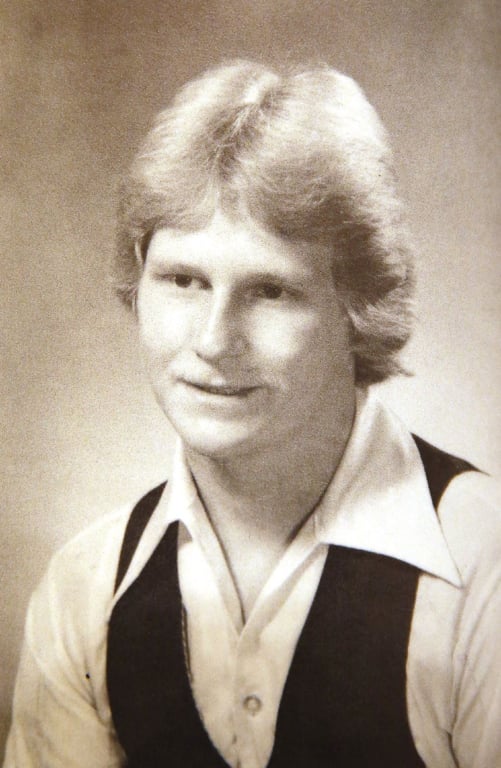
Tony Turner was a 50-year-old Black man from Buffalo, New York, and his death left a silence that can’t be measured in headlines or timelines. A life doesn’t end as a single moment; it ends with unfinished conversations, with routines that suddenly have no place to land, with loved ones reaching for the phone out of habit and remembering, all over again, that there will be no answer.
Without more public detail about what happened, the shape of Tony’s final days remains indistinct, but the loss itself is painfully clear. In a city where neighbors recognize one another by familiar faces and shared seasons, a death reverberates outward—through family, friends, coworkers, and anyone who ever exchanged a small kindness with him. Grief gathers in ordinary places: on front steps, in living rooms, in quiet drives past streets that now feel altered. The smallest reminders become heavy—an empty chair, a favorite song, a name that catches in the throat when spoken aloud.
When someone dies and the surrounding facts are scarce, the mind tries to fill the gaps, and that can be its own kind of torment. Questions press in: What were the last hours like? Was there fear, or confusion, or the comfort of someone nearby? What should have happened differently? Who knows something but hasn’t realized its importance? The absence of answers can make mourning feel stalled, as if the heart can’t fully settle because it is still searching. It’s not only a need for justice, but a need for clarity—an anchoring truth that allows loved ones to hold onto something solid in the storm.
Even in that uncertainty, what remains undeniable is that Tony mattered. He was not a passing mention, not a statistic, not a case file. He was a person whose life touched other lives, whose presence left impressions that don’t vanish just because the world moves forward. The people who knew him carry stories that are irreplaceable—moments of humor, frustration, generosity, stubbornness, warmth, or quiet resilience. Those memories become a form of testimony: proof that he existed fully, and that his absence is real.
And so the grief becomes a vow in its own way—a refusal to let his name fade into the background. Love insists on remembrance. It insists on asking questions until they are answered, on keeping space for the truth, on honoring the dignity of a life that deserves to be spoken of with care. Tony Turner’s death is a wound for those who loved him, but his life is what they will fight to keep whole: the person he was, the place he held, and the meaning he had in Buffalo long before the day he was gone.