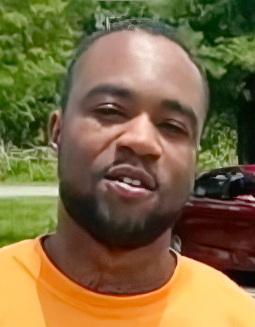
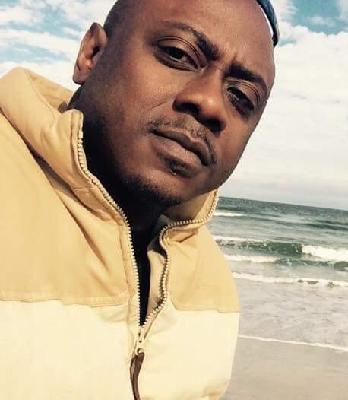
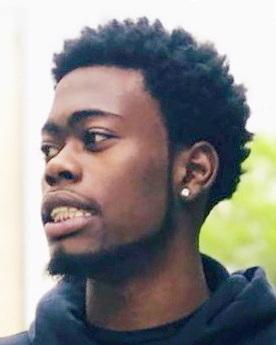
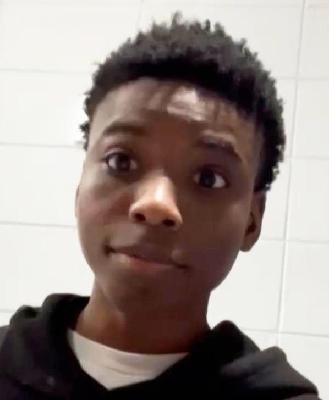
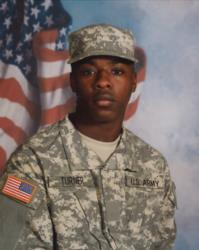
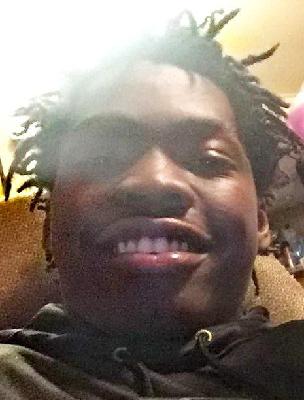
Je’Monte Hugger, a 16-year-old Black male, was fatally shot on April 4, 2026, inside a residence in Midway, Georgia, a community in Liberty County near Hinesville. His death followed a confrontation involving his older brother and left a family facing the devastating loss of a teenager whose life ended inside a home where he should have been safe. Although some memorial records list April 6, 2026, law enforcement reports and subsequent court testimony establish that the shooting occurred on April 4.
Shortly after 1:00 p.m., deputies with the Liberty County Sheriff's Office responded to reports of a shooting at a residence in the 6000 block of East Oglethorpe Highway. When the first deputy arrived, several individuals were gathered outside the house, visibly distressed and shouting that a brother had been shot. Witnesses directed law enforcement toward a wooded area where the alleged shooter had reportedly fled.
Deputies secured the property and entered the residence, where they discovered Je’Monte suffering from a gunshot wound to his head. He was pronounced dead at the scene.
Investigators quickly identified Je’Monte's older brother, Javaris White, as the primary suspect. White, who was 27 years old at the time of subsequent court proceedings, was located and detained without incident after deputies encountered him on a dirt driveway behind the residence. He was taken into custody and transported to the Liberty County Jail. Initial information released by investigators suggested that an argument between the brothers preceded the shooting, although the precise circumstances remained under investigation.
As detectives reconstructed the events inside the residence, testimony from two juvenile witnesses became central to understanding what had happened. Both individuals were reportedly inside a bedroom when the shooting occurred. According to testimony later presented in court, White entered the bedroom carrying a firearm that investigators identified as stolen. The witnesses told detectives that White had brought the weapon into the room to take photographs with it and post them on social media. After spending several minutes inside the bedroom, White allegedly pointed the firearm directly at Je’Monte and discharged it, striking his younger brother in the head.
White provided investigators with a different explanation. During an interview at the Liberty County Jail, he reportedly maintained that the shooting was accidental. He told detectives that he had been holding the firearm near his hip when he manipulated its slide, causing the weapon to discharge unexpectedly. White acknowledged bringing the firearm into the bedroom but claimed that his intention was only to pose for photographs rather than harm his brother. This account conflicted with the statements provided by the juvenile witnesses, who maintained that White had pointed the weapon directly at Je’Monte before firing.
The investigation also uncovered allegations concerning White's behavior immediately following the shooting. Witnesses reported that he emerged from the residence carrying the firearm and pointed it toward other individuals gathered outside. One witness compared his movements to someone acting out a scene from a shooting video game. White subsequently fled toward a wooded area behind the home before deputies located him. Investigators processing the bedroom recovered a shell casing beneath the bed and discovered a second firearm, identified as a. 22-caliber weapon, lying on the floor. These findings became part of the evidence examined in connection with Je’Monte's death.
Following his arrest, White faced multiple felony allegations. Authorities charged him with murder, aggravated assault, firearm-related offenses, and a felony probation violation. As the investigation progressed, the criminal allegations included felony murder, two counts of aggravated assault, two counts of possession of a firearm during the commission of a felony, and possession of a firearm by a convicted felon. Investigators also established that White had a previous felony conviction, making his alleged possession of a firearm an additional criminal offense.
On June 22, 2026, the case reached an important stage when White appeared before Liberty County Judge Charles P. Rose Jr. for a probable cause hearing. Liberty County Sheriff's Office Detective Andrew Watt testified about the investigation, the physical evidence recovered from the residence, statements from the juvenile witnesses, and White's explanation of the shooting. The testimony highlighted the central dispute in the case: whether Je’Monte had been deliberately shot or whether the firearm discharged accidentally as White claimed.
After reviewing the evidence and testimony, Judge Rose determined that sufficient probable cause existed for the criminal proceedings against White to continue. The ruling allowed the case to advance toward consideration by a grand jury. The judge's determination was not a finding of guilt, but it established that prosecutors had presented sufficient evidence to move forward with the allegations. The June hearing was the latest substantive court development identified in publicly available reporting, and no subsequent conviction, sentencing, or final trial outcome could be verified.
Je’Monte's death was particularly devastating because the person accused of taking his life was a member of his immediate family. What began as an ordinary Saturday afternoon inside a Liberty County residence ended in a fatal shooting, a police investigation, and serious criminal charges against his older brother. The conflicting accounts of the shooting became a central issue for investigators and prosecutors, while the family was left to confront both the loss of Je’Monte and the criminal proceedings involving White.
The case remains a tragic example of the irreversible consequences of firearm violence within a family. Je’Monte's life was cut short before he had the opportunity to experience the milestones of adulthood, and the circumstances surrounding his death left questions that the criminal justice process was tasked with resolving. While White was arrested and formally charged in connection with the shooting, the available public record does not establish a final judicial resolution. Je’Monte's death continues to represent a profound loss for those who knew him and a painful reminder of how quickly a family's life can be changed by gun violence.