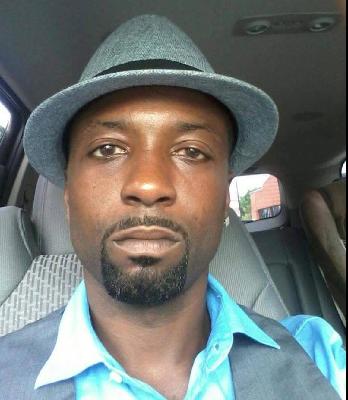
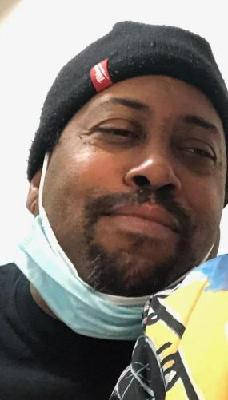
Angelo Nelson, a 50-year-old Black/African American man, was killed on the morning of February 2, 2026, inside the Milwaukee apartment building where he lived. The shooting occurred in the 1300 block of North Astor Street on the city’s Lower East Side, near Astor and Ogden/Knapp streets. Nelson was found dead in a stairwell hallway after suffering a gunshot wound to the head.
Family members later said he had simply been going downstairs to do laundry and was preparing to begin a new job the following day. Those closest to him described him as funny, outgoing and able to bring happiness into difficult situations. He was a father of two adult daughters and was remembered as a sports fan, volunteer, foodie and someone who could become the center of a room simply through his personality.
Police initially reported that the shooting followed an argument between Nelson and a neighbor, but information contained in the criminal complaint later presented a substantially different picture. Investigators identified Nelson’s neighbor, Dominic Francis Nosacek, as the alleged shooter. According to court records, Nosacek told detectives that there had been no argument immediately before the shooting. Instead, he said he believed people had been harassing or threatening him and claimed that “militia men” were blackmailing him. He reportedly believed someone was waiting for him in the apartment building and said that when Nelson ran down the stairs, he shot him. Nosacek acknowledged during questioning that Nelson did not have anything in his hands when the shooting occurred.
After the shooting, investigators said Nosacek returned to his apartment with the firearm rather than immediately contacting police. He told authorities that he then worked on his taxes. Later that morning, he went to a Department of Homeland Security building on Knapp Street several blocks away. Security personnel reported that he announced that he had killed someone and described the person he had shot as a “terrorist” or member of a “militia.” The security guards detained the situation and contacted authorities, leading to Nosacek being taken into custody. During the subsequent investigation, police searched his apartment and recovered the firearm he identified as the weapon used to kill Nelson. Authorities also reported finding multiple magazines and more than 100 rounds of ammunition.
Court documents indicated that Nosacek was legally prohibited from possessing firearms at the time. He had an existing criminal case involving allegations of battery and domestic abuse and had previously been released on a signature bond that prohibited him from possessing a gun. Records also showed a prior misdemeanor battery conviction involving a family member. Nosacek told investigators that he had been diagnosed with psychosis and depression, and his statements during questioning included claims about being targeted, blackmailed and having a device implanted in his head. Prosecutors nevertheless alleged that his actions constituted an intentional killing, and the criminal case against him included a charge of first-degree intentional homicide involving the use of a dangerous weapon as well as bail jumping connected to his existing bond conditions.
Nosacek made his initial court appearance on February 6, 2026. Because questions concerning his competency had already arisen in connection with his earlier criminal case, the court ordered another competency examination following the homicide charge. His bond was set at $500,000, and he remained in custody while the prosecution proceeded. A conviction for first-degree intentional homicide could result in a life sentence. Searches of available online reporting through early September 2026 did not reveal a publicly reported trial, guilty plea or conviction in Nelson’s killing, leaving the homicide prosecution pending in the most recently available coverage.
Nelson’s death devastated relatives and longtime friends, some of whom had known him since childhood. His family remembered someone who loved people, brought laughter into their lives and was looking forward to the next chapter of his life when he was killed. Friends emphasized that the circumstances described in the complaint made the loss especially difficult because there was no indication Nelson was armed or presenting an immediate threat when he was shot. A vigil was held as relatives and friends mourned him, while his family sought to ensure that he was remembered for the life he lived rather than only for the violent circumstances of his death.