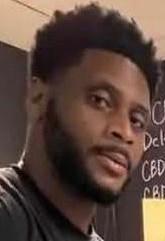
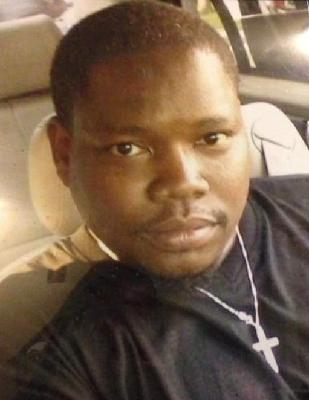
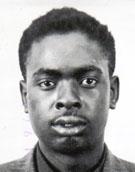
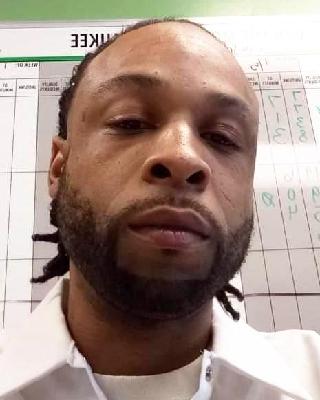
Keyawn Davis, a 44-year-old Black/African American man, was killed on July 22, 2026, inside the Milwaukee smoke shop he owned near Appleton Avenue and Congress Street. Although some early listings identified him as “Keon Davis,” his family identified him publicly as Keyawn Davis and later corrected the spelling of his name. Davis lived in Madison but had established It’Za Xotic, a smoke shop in the northwest Milwaukee shopping center, a little more than a year before his death.
His family described him as a father and business owner, someone whose death left relatives stunned and demanding justice.
Milwaukee police were called to the business shortly before 11:45 a.m. after receiving a report of a shooting. When an officer entered the shop, Davis was found unresponsive with a gunshot wound to the back of his head. Investigators remained at the business for hours, photographing the interior, processing the scene and dusting for fingerprints as they began reconstructing what had happened in what initially appeared to have been a private meeting between Davis and someone he knew.
The investigation quickly focused on James Johnson Jr., who was known by the nickname “Red.” According to the criminal complaint, Johnson had been to the shop before and had previously worked there. One employee reportedly told investigators that Johnson and Davis had been friends, while another witness believed the two had some type of business arrangement. On the day of the killing, a witness said he drove Johnson to the shop, something he had reportedly done on previous occasions. The witness went inside with Johnson, greeted Davis, and then returned to his vehicle so Johnson and Davis could discuss their business privately.
Surveillance footage described in court filings became a critical part of the case. Prosecutors alleged that Davis and Johnson spoke inside the business for roughly half an hour and that there was no obvious argument or physical confrontation immediately preceding the shooting. According to the complaint, the person identified as Johnson eventually produced a firearm and shot Davis from behind. Investigators alleged that after the shooting, Johnson locked the store door and began taking merchandise from the business, emptying items from jars and placing products into bags before leaving.
Other witnesses described moments that investigators believed supported what was captured on surveillance. One person outside the store reportedly heard a muffled “pow” after seeing the door being locked. That witness then saw the suspect hurriedly gathering store merchandise into a duffel bag. An employee who had stepped outside to give Davis and Johnson privacy said he heard a thump from inside and later saw the suspect leave. When the employee returned to the shop, Davis was found unresponsive. A member of Davis’ family was subsequently shown surveillance images and identified Johnson as the person pictured, according to court filings.
The individual who said he had driven Johnson to the business provided investigators with another important account. He told detectives that Johnson eventually returned to the vehicle carrying bags and armed with a pistol. According to the complaint, Johnson pointed the weapon at the driver and ordered him to drive away. The witness later identified Johnson from a photographic lineup as the person he knew as “Red.” Those statements, together with the surveillance footage, employee accounts and family identification, formed much of the evidence prosecutors cited when charges were filed.
On July 31, prosecutors charged James Johnson Jr. with first-degree intentional homicide, bail jumping and possession of a firearm by a felon. Court records cited in news reports showed that Johnson had a prior armed-robbery conviction and was out on bond in connection with a separate drug case when Davis was killed. An arrest warrant was issued, but Johnson could not immediately be located. The search eventually involved the U.S. Marshals Service, which publicly described him as dangerous and sought assistance locating him. Investigators said he had connections outside Wisconsin, including Texas, Georgia and Las Vegas, as authorities searched for him beyond the Milwaukee area.
For more than a month after the killing, Johnson remained a fugitive. That changed on the morning of August 27, 2026, when police in West Memphis, Arkansas, responded to a theft complaint. U.S. Marshals subsequently confirmed that Johnson had been arrested there, ending the interstate search that followed Davis’ killing. His capture came only days after the case had again been publicized as part of an effort to locate him.
Davis’ relatives remembered the person behind the homicide investigation rather than simply the circumstances of his death. His sister, Kemeelah Fair, expressed disbelief that he had been killed and said the family intended to seek justice. His niece, Mariah Fair, recalled ordinary memories of his laughter, spending time with family, taking photographs and taking her shopping. Those recollections stood in stark contrast to the violence investigators said unfolded inside the business Davis had worked to establish.
As of August 30, 2026, the available reporting shows that Johnson has been arrested and faces the homicide and related charges, but the case has not yet resulted in a reported trial or conviction. The accusations contained in the criminal complaint remain allegations unless proven in court. His arrest in Arkansas moved the case from a fugitive search into the court process, where prosecutors will have to establish what happened inside Davis’ shop and prove the charges beyond a reasonable doubt.