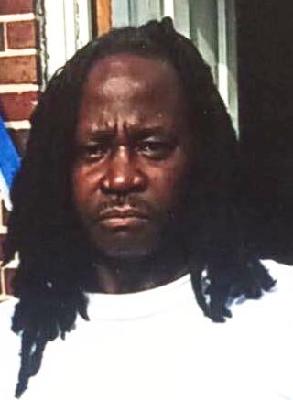
Stanley Smith, a 56-year-old Black/African American man, was shot and killed during the early morning hours of October 1, 2017, outside his home in Milwaukee. The shooting occurred in the area of North 41st Street and West Auer Avenue, with police reports placing the incident at roughly 2:10 to 2:30 a.m. Smith was found near his vehicle and was pronounced dead at the scene.
Relatives said he had been shot near his garage while he was in his car, turning what should have been an ordinary night at home into a homicide investigation that would leave his family searching for answers for years.
In the hours following the killing, Milwaukee police began searching for the person or persons responsible, but investigators initially had little information explaining why Smith had been targeted. Officers pursued active leads, but no arrest was announced. Family members and neighbors described Smith as a hardworking and caring person who was devoted to his family and involved in his community. A relative described him as a good father and grandfather, while a neighbor remembered Smith as someone who regularly spoke with neighborhood children and did not cause problems. Those who knew him struggled to understand why anyone would have wanted him dead.
As detectives continued examining the case, details emerged suggesting that robbery might not have been the motive. Milwaukee Police Detective Nathan Butz later said Smith's vehicle door had been found open or ajar and that Smith was found in the vehicle when first responders arrived. Investigators determined that a single bullet killed him. Importantly, police found that nothing had apparently been taken from Smith. That absence of theft led detectives to consider the possibility that the shooting resulted from some circumstance other than a robbery, although authorities did not publicly establish a definitive motive. The limited physical evidence at the scene complicated the effort to determine exactly what happened in the moments before Smith was shot.
Investigators did uncover one potentially important clue. Surveillance footage showed a vehicle driving away shortly after the homicide. Detectives hoped that identifying the vehicle, or determining who owned or possessed a similar vehicle at the time of the shooting, might lead them to a suspect. Police did not publicly identify the driver, release the name of a person of interest, or announce evidence establishing who fired the fatal shot. Smith's relatives said they had suspicions of their own about who might have been responsible, but those suspicions did not result in a publicly reported arrest or criminal charge.
The killing also frightened residents around the Sherman Park neighborhood. Neighbors described persistent concerns about gunfire and violence in the area, while Smith's family appealed directly to anyone who might have heard the gunshots or witnessed something suspicious to come forward. Police said shortly after the homicide that they were following several active leads, but no arrests had been made. The family's grief was compounded by the uncertainty of not knowing who had killed Smith or why.
Nearly two years after the homicide, Smith's death remained unsolved. In June 2019, his family again appealed publicly for information, saying they wanted closure and remained fearful because the killer had never been identified. Smith was remembered as a father, grandfather and great-grandfather whose family continued to feel his absence. Detectives were still hoping that information about the vehicle captured on surveillance, or information from someone with knowledge of the shooting, would produce a breakthrough. Available online reporting located for the case does not identify a subsequent arrest, named suspect, criminal charge, trial or conviction connected to Stanley Smith's October 1, 2017 killing.