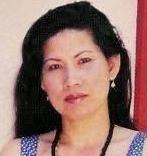
Oudom Noymany, a 64-year-old Laotian woman, lived a life rooted in family, tradition, and quiet resilience in Grand Prairie, Texas, before it was abruptly cut short on November 9, 2025. Born on January 29, 1961, in Laos, she grew into a person remembered by those close to her as graceful, warm, and unfailingly kind. Her home was a gathering place, often filled with the comforting aromas of slow-cooked meals that friends and family say were always worth the wait, no matter how long they took. She was known for her corny jokes and infectious laughter, the sort of presence that could soften a room and make people feel at ease. Hardworking, independent, and fearless, she built a life that reflected both her love for her family and the strength of someone who had charted her own path across continents and years.
On the evening of November 9, 2025, relatives became worried when they could no longer reach the couple and requested a welfare check at their home in the 400 block of East Tarrant Road in Grand Prairie. Officers with the Grand Prairie Police Department arrived around 6:30 p.m. and discovered two adults inside the residence. Oudom was found with an apparent gunshot wound, and nearby her husband, 68-year-old Chanhdy Nophaenkham, was discovered with what appeared to be a self-inflicted gunshot wound. Paramedics pronounced both of them dead at the scene. The Dallas County medical examiner's office and police investigators identified the pair and quickly focused on what had unfolded inside the quiet home that Sunday evening.
Investigators announced that they were treating the case as a family-violence murder-suicide. In their public statements, police described Chanhdy as Oudom's husband and indicated that the preliminary evidence supported the conclusion that he shot her before turning the gun on himself. The incident was also recorded in national tracking of gun violence, which listed her among those lost to firearm-related deaths in Texas on that date. There have been no reports of any arrests stemming from the case, and authorities have not identified any additional suspects, emphasizing instead the closed nature of a tragedy in which both the victim and the suspected shooter died at the scene.
In the days that followed, friends, family, and members of her community began the difficult work of mourning a life ended in such a sudden and violent way. Loved ones shared memories of a woman whose home was filled with laughter, food, and an open door for those she cared about, remembering her as someone people naturally gravitated toward. Buddhist prayers were held in her honor at a temple in Texas, reflecting both her cultural roots and the spiritual traditions that shaped her life. At the same time, funeral arrangements were made through a Dallas funeral home, which described her as a loving mother and grandmother whose legacy lives on in her children, grandchildren, and all who were fortunate enough to know her. Amid the formal notices and official descriptions of a “murder-suicide,” those closest to her held on to a different image: that of a vibrant, loving presence whose story was defined far more by the warmth she gave than by the violence that took her away.