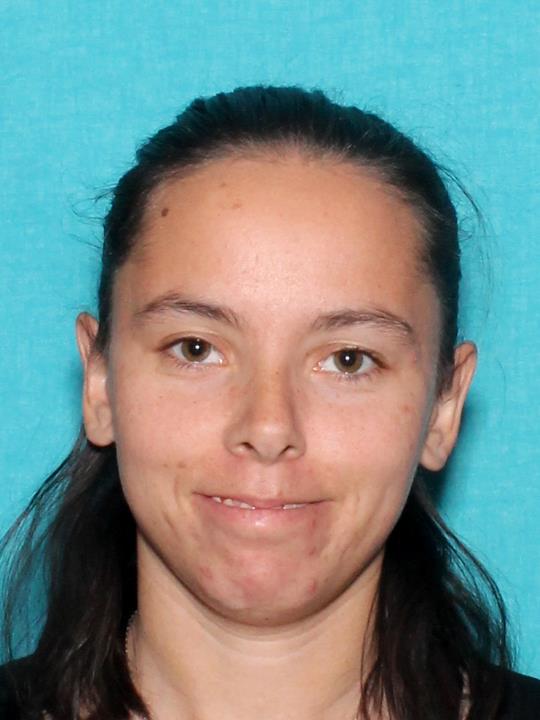
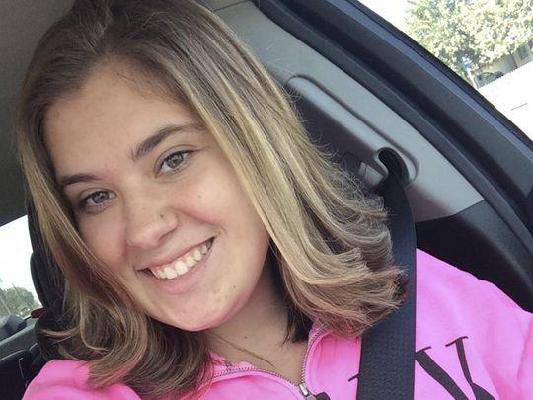
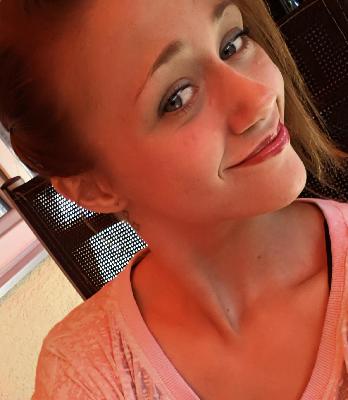
Pennie Stewart, a 46-year-old white female, died by violence on August 25, 2007, in Las Vegas, Nevada. Publicly available case listings indicate her death has been treated as a homicide, placing her among the city’s unresolved killings from that era. The sparse notices that do exist name her, fix the date, and anchor the scene in Las Vegas, but they leave out the intimate geography of the crime—the room, the street, the hour—casting her final day in the stark light that so many cold cases share: a name, a date, a place, and a silence that followed.
What emerges from the record is the outline of a life interrupted without a corresponding outline of accountability. After the initial determination that force ended her life, there were no subsequent press bulletins announcing a break in the case, no courtroom schedules, no celebration of a solved file—only the enduring invitation from Las Vegas authorities for tips in unsolved homicides. In the years since 2007, open-source reviews show no arrests and no suspects publicly identified in connection with Stewart’s killing, a gap that underscores how quickly a violent loss can slip behind the curtain of “pending investigation” and stay there.
The official channels remain the same ones families and witnesses have been urged to use for decades—detectives, tip lines, and cold case details that hold space for answers not yet found. In that landscape, Stewart’s case stands as a stark entry: a homicide by force, a woman mid-life, and a city still waiting for the name of the person responsible.