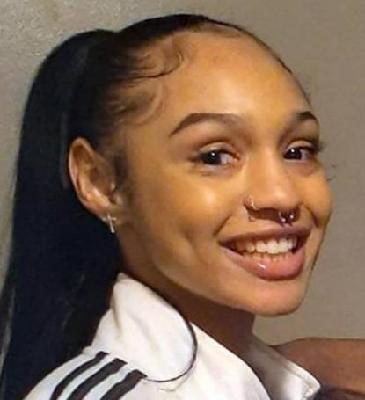
Wesley LePatner was killed on July 28, 2025, when an armed attacker opened fire inside 345 Park Avenue in Midtown Manhattan. She was a 43-year-old White woman. A senior executive in Blackstone’s real estate business, she had built a reputation in finance and philanthropy that made the news of her death ripple quickly through New York’s business and Jewish communities, where colleagues and friends described her as a force of energy, mentorship, and public-minded generosity.
That Monday, the building—home to multiple offices—turned into a trap in minutes. As shots rang out, people scattered into stairwells and behind locked doors; others froze, unsure where the threat was coming from. Investigators later described the violence as moving through parts of the tower, leaving multiple victims in its wake. LePatner was among four people who died in the attack, which also killed an NYPD officer and other civilians working in the building.
Police identified the gunman as Shane Tamura, who authorities said died at the scene from a self-inflicted gunshot wound, ending the attack without a standoff and leaving no suspect to arrest. In the immediate aftermath, investigators worked backward from what he carried and what he left behind—reporting that a note found on him referenced chronic traumatic encephalopathy and blamed the NFL, and that officials believed he had intended to reach the NFL’s offices in the same building but went to the wrong floor. With the shooter dead, the case shifted from a manhunt to reconstruction: tracing his movements, how he got into the building, and how the shooting unfolded so quickly in a dense office corridor of Manhattan.
Because Tamura died by suicide, there were no arrests announced for the killings themselves, and no criminal charges could be filed against him. Reporting in the months that followed focused on what investigators said they were able to confirm about his background and mindset, including the medical examiner’s finding that he had CTE, as well as the continuing effort to understand how and why he selected the location. Police also stated that neither LePatner nor Blackstone appeared to have been specifically targeted.
In the days after the shooting, grief took on a public shape. Blackstone memorialized her as a beloved colleague, while community institutions where she volunteered and served remembered a life threaded through work, family, and civic obligation. Funeral coverage and tributes described a packed sanctuary and anguished eulogies, with loved ones trying to speak her back into the room through stories of her steadiness and ambition, even as the city returned to its routines outside—another summer week in Manhattan, and a building at 345 Park Avenue left carrying the weight of what happened within its walls.