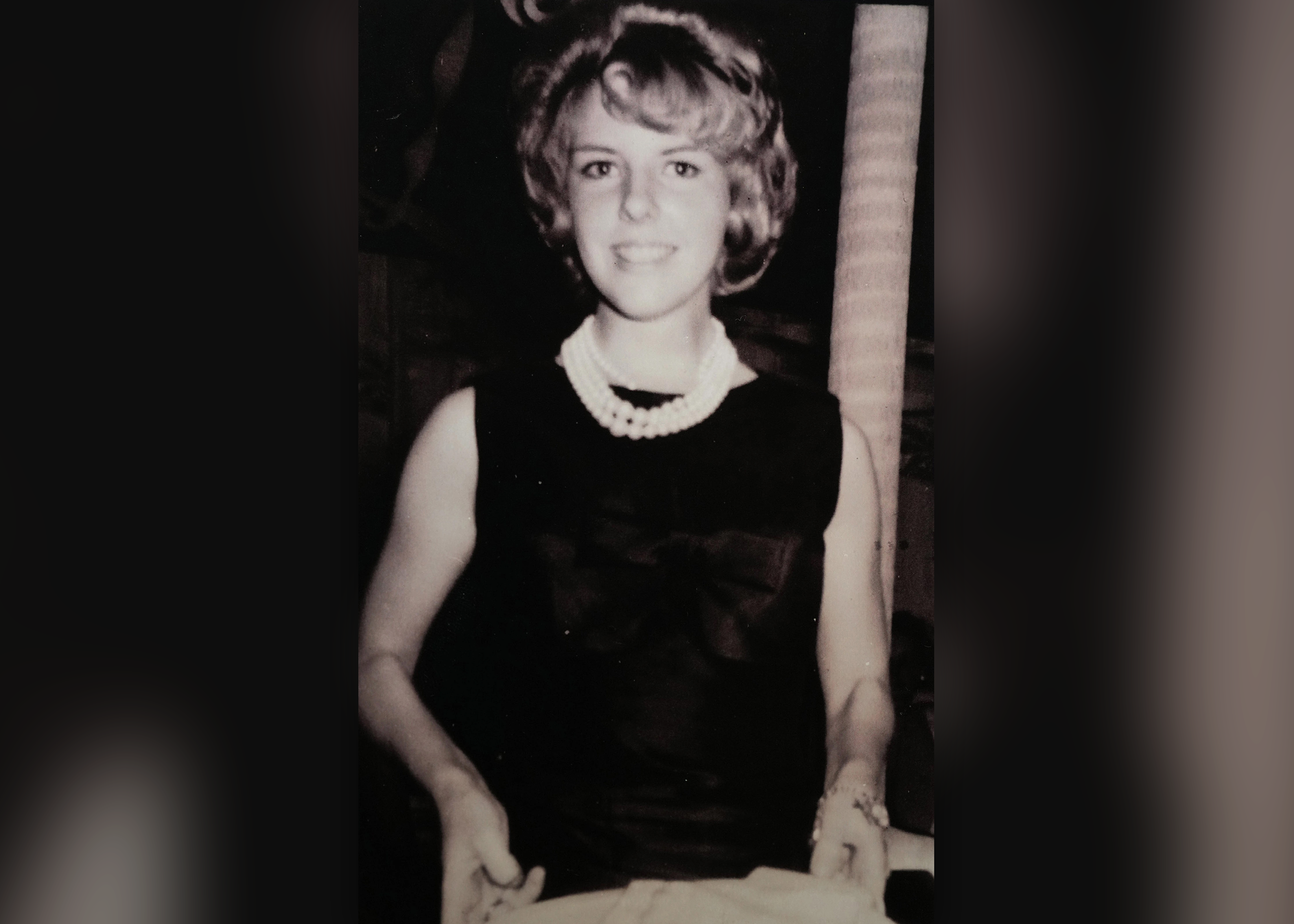
Patsy Diane Vineyard, a 20-year-old White woman, vanished from Sackets Harbor, New York, in the spring of 1987, leaving behind the kind of silence that makes a small lakeside community feel suddenly watched. The date attached to what happened next was May 15, 1987—when she was believed to have been killed—though in the days that followed she was simply missing, her absence noticed in the ordinary ways first, and then in the terrifying ones.
When her husband returned and couldn’t find her, he reported her missing on May 21. Investigators began working outward from her last known routines and contacts, and the scrutiny quickly turned toward Fort Drum, where soldiers moved through the area in numbers large enough to hide a predator in plain sight. Accounts of the investigation describe a wide net, with many soldiers questioned as authorities tried to reconstruct where Patsy had gone and who had been with her in those last hours.
Then the water gave up what it had taken. Reports describe her body being recovered later from Lake Ontario near Sackets Harbor, and she was found to have been strangled; authorities also said she had been sexually assaulted. Another strand of reporting places her body’s dumping point in the nearby Black River, a detail that fits the geography—river to lake—like a grim map drawn after the fact.
Over time, a name hardened into the center of the story: Lesley Eugene Warren, a soldier associated with Fort Drum who would later be publicly linked to multiple killings. Contemporary reporting around his later capture described him as being charged in the killings of several women across different states, with Patsy Vineyard listed among them, and described those cases as sexually motivated.
But what the headlines suggested in the first rush of the arrest didn’t become a finished courtroom chapter in New York. Later summaries of Warren’s criminal history repeatedly note that he was not ultimately tried for Patsy Vineyard’s murder, even as he was prosecuted and sentenced in other states for other killings. In the years after his arrest, Patsy’s case remained tethered to his name—spoken of as the crime that marked an early point on his timeline—yet the formal resolution that comes with a trial and verdict in her case never arrived.