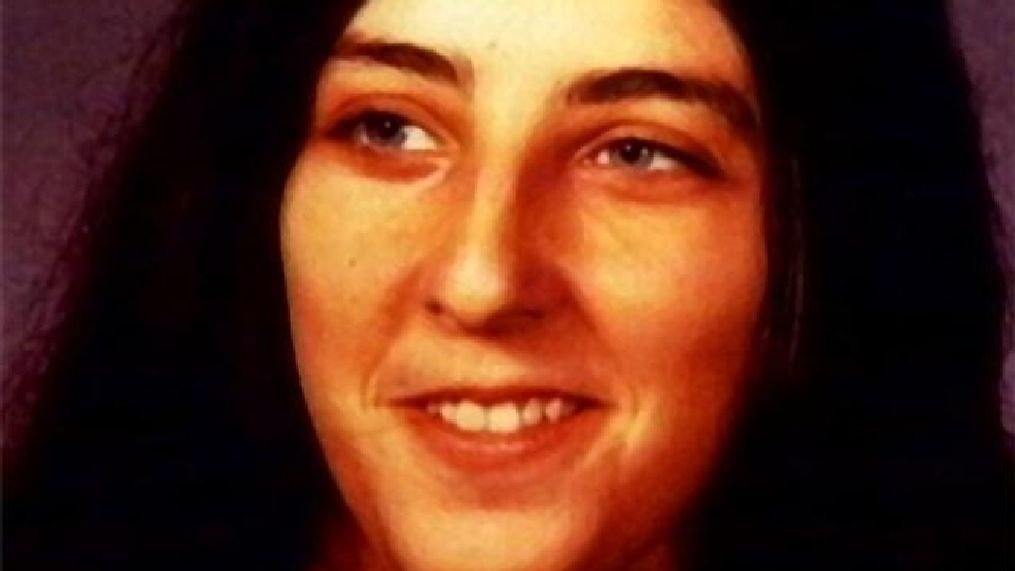
In the winter of 1972, the community of Utica, New York, was shaken by the discovery of the body of 19-year-old Joanne Pecheone. On January 12, 1972, her life was tragically cut short, leaving a lasting scar on her family and the city. Her body was found on a wooded pathway off South Park Drive in Utica. The young woman had been raped and murdered, a brutal end to a life just beginning.
The investigation into her death would span decades, a cold case that haunted local law enforcement.
For nearly forty years, the question of who was responsible for Joanne's death remained unanswered. However, investigators would eventually piece together a chilling narrative that pointed to a man already behind bars for other heinous crimes. John Hopkins, a man serving time for the murder of two teenage girls and the attempted murder of another, became the prime suspect in Joanne's case. The similarities between Joanne's murder and the crimes committed by Hopkins were striking and became the key to unofficially solving her case.
The evidence against Hopkins was compelling. Investigators discovered a pattern in his brutality. Joanne's hands had been tied with her own shoelaces, a chilling detail that mirrored the account of a 15-year-old girl who survived an attack by Hopkins. In that case, he had also used his victim's shoelaces to bind her. Furthermore, both Joanne and the 15-year-old survivor had their bras cut in the front. Another disturbing similarity was the use of a gag; Joanne was gagged with a piece of her own clothing and a strap from her purse, while the other victim had a sponge forced into her mouth and was bound with a rope.
In 2000, John Hopkins committed suicide in prison, taking with him any chance of a formal trial for the murder of Joanne Pecheone. Despite this, the Oneida County District Attorney's Office officially declared the case closed and considered it solved in February 2011. This conclusion was further supported by a reported admission from Hopkins to a corrections officer that he had killed three people, when he was only convicted of two murders. The tireless work of investigators brought a sense of closure to a case that had remained a painful mystery for so long, finally providing answers to the family of Joanne Pecheone.