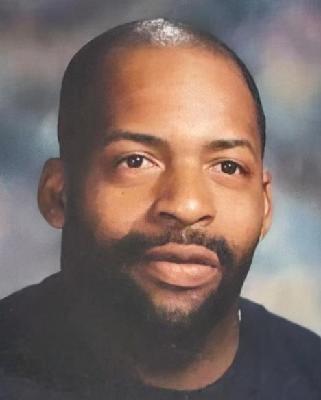
Sang Nguyen was a 29-year-old Asian man who died on November 11, 2004, after a brutal attack that later surfaced in reporting as part of a much larger, darker chain of violence. The public accounts that mention him place his final hours behind bars, where the ordinary routines of confinement could turn suddenly perilous, and where a single closed door could hide what no one outside would learn about until years later.
According to later reporting, Nguyen was killed by his cellmate, Abron Scott, in an assault described as a beating that happened during a sexual encounter. The detail is stark and jarring: a death not in the street or under the glow of patrol lights, but inside a space measured in steps, where help could be distant even when it was only down the corridor. Little else about Nguyen’s life appears in public writeups—no long biography, no careful portrait of who he was before incarceration—leaving him to enter the public record mostly through the way he died and the notoriety of the man tied to it.
Scott’s name is more frequently reported alongside Amos Robinson, another convicted killer. Long before Nguyen’s death, the pair had been linked to a notorious series of crimes in Tampa in 1983—crimes that helped send the wrong man, Robert DuBoise, to prison for decades. As later summaries recount it, DuBoise’s conviction leaned heavily on now-discredited forensic bite-mark evidence and other dubious testimony, while physical evidence sat waiting for the technology and the will to reexamine it. When DNA testing eventually pointed away from DuBoise and toward Robinson and Scott, the story widened from one wrongful conviction into what authorities described as a broader pattern of killings.
That reckoning brought new court action decades after the original murders. Robinson and Scott were indicted in connection with the 1983 rape-murders of Barbara Grams and Linda Lansen, with prosecutors and investigators publicly describing DNA links that redirected blame and reopened cold cases. Scott ultimately entered a guilty plea in 2024 in that Tampa prosecution and received additional life sentences; Robinson’s case continued on a separate track, with prosecutors seeking the harshest penalties available and the courts weighing the evidence in proceedings that grew out of the same long-buried investigative files.
In that larger narrative, Nguyen’s death reads like a grim footnote that refuses to stay small: another life lost to the same orbit of violence, even if the public record offers few of the particulars that would normally surround a homicide—where exactly it happened, who found him, what warnings were missed, what conversations followed in the aftermath. What remains clear from the available reporting is the identity of the suspect tied to Nguyen’s killing and the cruel imbalance of how the world remembers the two men: one largely as a name attached to a date, the other as a repeat offender whose crimes kept resurfacing, years apart, each revelation dragging old horrors back into the light.