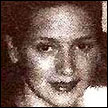
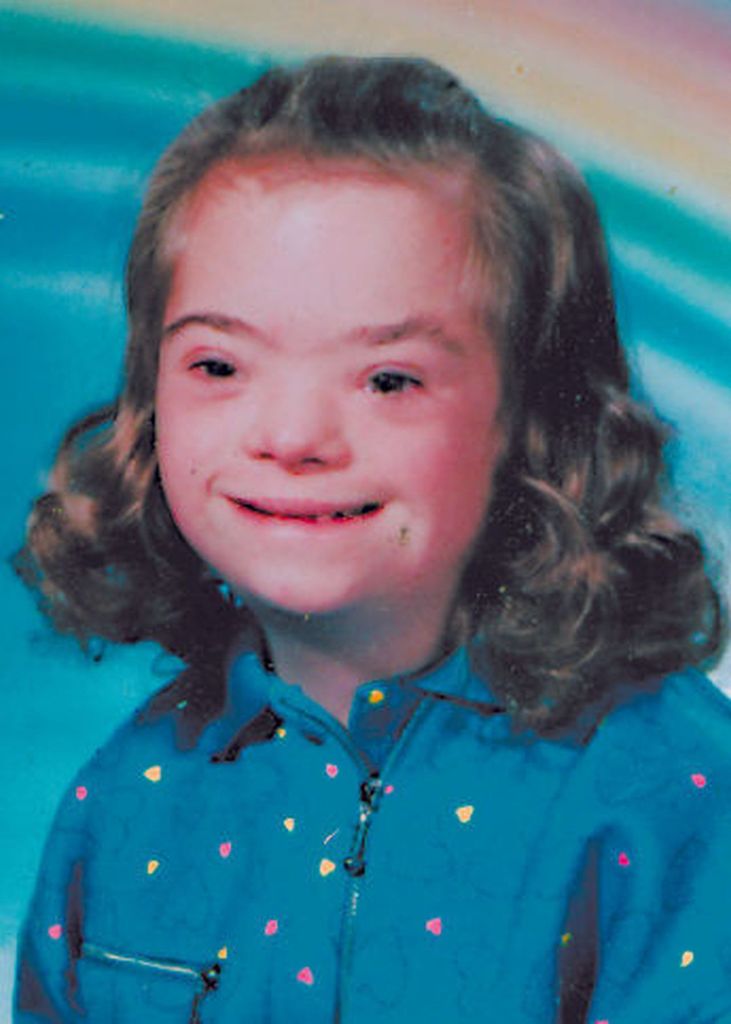
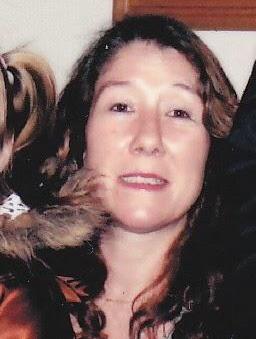
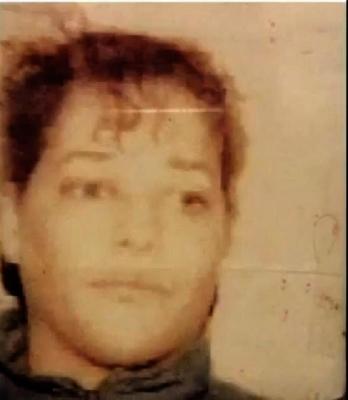
Memorial Day in 1992 began like any other late-spring day in New York, but it ended with Anna Lopez, 33, a Latina woman from the Bronx, gone without a word to her family. As the day wore on, she crossed paths with a stranger while working along Atlantic Avenue in Queens, and the last ordinary moments of her life slipped away into the traffic and streetlight glow.
Police later learned that the man who approached her was Joel Rifkin. After driving to a nearby residential street, he strangled her inside his car. Instead of leaving her in the city, he carried the secret of what he’d done out of town, steering north through the night until the boroughs gave way to dark roadside woods.
By the time the sun returned, her body had been discarded along Interstate 84 near Brewster in Putnam County, left in a wooded area where it could be missed—or found by the wrong kind of chance. A passing motorist stopping off the highway discovered her the next day. In the small, brutal inventory of what was missing, one earring stood out; investigators would later connect that kind of “souvenir” to the man who had taken her life.
In the months after she vanished, her family searched for answers, and her mother’s voice—described later as remembering a once-happy, outspoken child—became part of the public echo around the case. But in 1992, the trail went cold, and the city moved on, as it so often did in an era when violence was common and attention was unevenly distributed.
The break came more than a year later, in the early hours of June 28, 1993, on Long Island’s Southern State Parkway. New York State Troopers Deborah Spaargaren and Sean Ruane tried to stop a tan Mazda pickup truck that had no rear license plate. The driver bolted, turning a traffic stop into a chase, and when it ended, the discovery in the truck exposed a horror that reached far beyond a single night: Rifkin had been transporting the body of another woman. His arrest opened a door investigators hadn’t known how to find.
As detectives dug into Rifkin’s life and questioned him, the story of Anna Lopez resurfaced with new clarity. Authorities tied her death to him through his admissions and through evidence gathered as the broader investigation unfolded, building a picture of a serial offender who kept items from victims and disposed of bodies across multiple counties. Rifkin ultimately faced prosecution for a string of killings and was convicted of multiple counts of second-degree murder, receiving a sentence that amounted to life in prison.