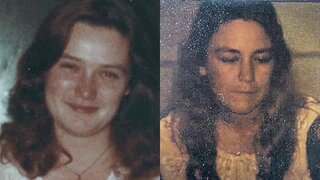
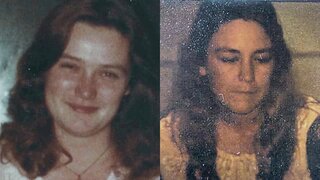
White / Caucasian age 23. On the rainy Sunday evening of November 29, 1987, Shirley Anne Ellis left her family's home in Newark's Brookmont Farms carrying a Thanksgiving platter meant for an AIDS patient at Wilmington Hospital. She chose to hitchhike along U.S. Route 40 to make the trip, a stretch of highway she knew from an earlier, now-abandoned period in her life.
Not long after she set out, passersby discovered her by the roadside: partially unclothed, hands and feet bound with tape, legs arranged, her body bearing the marks of torture. A ligature had been cinched around her neck, and she had suffered brutal blows consistent with a hammer, yet there were no signs of sexual assault—only the deliberate cruelty of the attack.
Her killing would become the opening chapter in the Route 40 serial murders that gripped New Castle County across 1987–1988. Investigators soon recognized a pattern as additional victims were found or reported missing along the same corridor, drawing in state police and FBI profilers and spurring an intensive task force operation. The emerging picture suggested an offender who cruised the highway in a van, abducted women, restrained and tortured them, and then dumped their bodies near construction sites, canal banks, or road edges—an itinerant predator using the night and the anonymity of the highway to his advantage.
The break came from a deliberate gamble: an undercover officer, Renée Taschner, posing as a sex worker on Route 40 in September 1988. After a blue Ford panel van circled her repeatedly, she managed to obtain the license plate and surreptitiously tear fibers from the vehicle's blue carpet. Those fibers, later paired with other forensic traces, tied the van—and its owner, a married 31-year-old electrician named Steven Brian Pennell—to the series. A search of Pennell's van and property uncovered tape matching bindings used on victims, blood and hair evidence, and a chilling “torture kit” of restraints and implements. Pennell was arrested on November 29, 1988, exactly one year after Ellis's death.
What followed in court confirmed that Ellis's final journey had intersected with a serial killer. In a 1989 trial, a jury convicted Pennell of first-degree murder for the deaths of Shirley Ellis and Catherine DiMauro; they could not reach a unanimous verdict in the Michelle Gordon count. Two years later, Pennell entered nolo contendere pleas to the murders of Michelle Gordon and Kathleen Meyer, leading to additional first-degree murder convictions and, after a penalty hearing he did not contest, death sentences. The Delaware Supreme Court's decisions record the arc of these convictions and sentences, noting specifically that Ellis's murder was among the earlier verdicts affirmed on appeal. Pennell was executed by lethal injection on March 14, 1992.
For Ellis—age 23, a woman trying to redirect her life and extend a simple act of kindness—the case closed with the capture and execution of the man the press would call the Route 40 Killer. The official record leaves a stark narrative: a chance encounter on a familiar highway, a van with blue carpet, and a sequence of forensic threads that bound her death to a named killer, arrested, tried, and ultimately put to death under Delaware law.