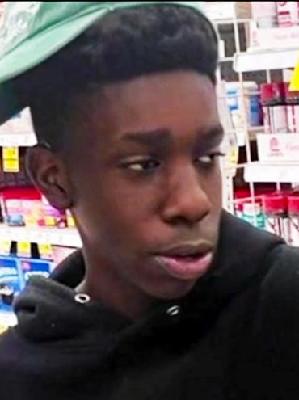
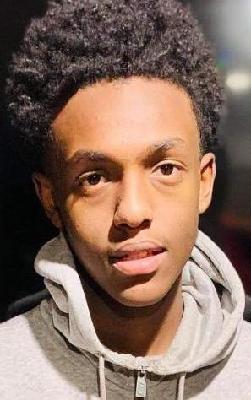
Bryant Triplett was a 14-year-old Black/African American boy whose life ended in gunfire on the night of December 28, 2024, in Milwaukee. The shooting happened at about 9:15 p.m. in the 3300 block of North 21st Street, near West Concordia Avenue. When Milwaukee police arrived, a group of people outside a residence flagged officers down, directing them to Bryant, who had suffered a gunshot wound to his abdomen.
Emergency crews rushed him to a hospital, but the injury proved fatal and he died that night.
The shooting was initially presented to police as though someone outside the group had opened fire. According to the criminal complaint, Rahshad Bates told officers that he and Bryant had been walking dogs in an alley when an unknown person suddenly shot at them for an unknown reason. Bates repeated essentially the same story when questioned by a detective. As investigators continued speaking with him, however, that account changed. Bates eventually acknowledged that there had not been an unidentified gunman and admitted that he had been handling the firearm that discharged and struck Bryant.
Bates told investigators that he had been carrying the gun tucked beneath his armpit without a holster. He said he began trying to unload the weapon and had his finger on the trigger while pulling the slide back. The gun discharged, sending a bullet into Bryant's stomach. According to the complaint, Bates said he and another person carried the wounded Bryant back toward the residence. Bates also told investigators that he discarded the firearm after the shooting, and authorities had not recovered the weapon when the criminal complaint was filed. Prosecutors emphasized in the complaint that basic firearm-safety rules had not been followed and alleged that the negligent handling of the weapon caused Bryant's death.
Bryant and Bates were not strangers. Bryant's mother, Kamid Everett, said she had known Bates since he was a young child and that Bryant considered him almost like a brother. In the immediate aftermath, she said she did not believe her son's shooting had been intentional, describing what happened as a careless mistake involving a gun that should never have been handled that way. Her grief was compounded by the knowledge that Bryant had been with someone he knew and trusted rather than facing an unknown attacker.
Everett remembered her son as a homebody who loved his family, video games and cooking. She said he could prepare breakfast and burgers and genuinely enjoyed being in the kitchen. Later accounts described him as a peacemaker, a Milwaukee Bucks fan and someone known for being goofy and making his family laugh. He had seven siblings and was already an uncle. His sister, Keniya Everett, described the close relationship they shared and remembered him as an especially loving older brother. Bryant's mother said he wanted to make people happy and had even talked about someday buying her a house and making sure she had everything she needed.
Police took Bates into custody following the shooting, and the Milwaukee County District Attorney's Office later charged him with one felony count of homicide by negligent handling of a dangerous weapon, also described in some reports as homicide by negligent use of a firearm. The offense carried a potential maximum penalty of ten years in prison and a $25,000 fine. Court records reported in January 2025 showed that Bates' bond was set at $2,500. The criminal case therefore treated Bryant's death not as an intentional killing, but as a homicide allegedly caused by criminally negligent firearm handling.
The case eventually resulted in Bates being sentenced to a maximum term of four years of imprisonment. A later account based on interviews with Bryant's mother reported that she had initially forgiven Bates because of his long relationship with her family and because she believed the shooting was accidental. Her feelings changed as the court proceedings unfolded. She said she did not believe the outcome amounted to sufficient justice, particularly because the tragedy resulted from someone handling a firearm irresponsibly and her son paid for that mistake with his life.
In the months after Bryant's death, his mother continued speaking publicly about gun violence and the availability of firearms to young people. She urged parents and the community to prevent children and teenagers from getting access to guns, saying Bryant's death showed how quickly careless handling could destroy a family. What began that December night as time spent among people Bryant knew ended with a fatal gunshot, an initially false explanation to police, an admission of negligent firearm handling, a homicide prosecution and a prison sentence—leaving his family to remember the teenager who loved cooking, gaming, joking with his siblings and bringing people together.