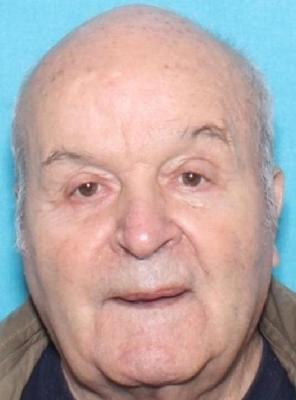
Jalin Clark was only 20 years old when his life was taken on May 4, 2025, in New Castle, Pennsylvania. He was a young Black male with deep roots in the people and places that shaped him, remembered not simply by the circumstances of his death, but by the life he had been building before violence brought it to an end. His death came after he was shot inside a home on Second Street in the Mahoningtown section of New Castle.
Police reported that he suffered a gunshot wound to the neck, and what unfolded that day became the beginning of a homicide investigation, leaving behind a grieving family, a shaken community, and many unanswered questions.
Jalin’s story reached beyond the city where he died. He had strong ties to Ambridge, Pennsylvania, where he grew up, attended school, and became known to many as a son, brother, teammate, church member, and friend. He graduated from Ambridge High School and carried with him the kind of presence that people remembered. Those who knew him described him as outgoing, funny, kind, and full of personality. He was someone who could make people laugh, someone who had a way of standing out, and someone whose absence would be felt deeply by the people closest to him.
Family was an important part of Jalin’s life. He was the son of DeAunta’e and Megan Clark and was remembered as the eldest brother in his family. That role carried meaning. To be the oldest sibling often means being watched, followed, admired, and depended on in ways that are not always spoken out loud. His younger siblings lost more than a brother; they lost someone who had been part of their everyday world, someone whose life should have continued alongside theirs for years to come. His parents were left to face the unimaginable pain of burying a child whose future was still ahead of him.
Jalin was also connected to his faith community. He was active at New Hope Community Church in Ambridge, where he served in the Youth Ministry Program. That part of his life shows a young man who was not only loved by his family, but also involved in something larger than himself. He had a place in his church community, and his presence there mattered. For the people who worshipped with him, mentored him, served beside him, or watched him grow, his death was not just another act of violence reported in the news. It was personal. It was the loss of someone they had known, encouraged, prayed with, and hoped for.
Sports were another meaningful part of Jalin’s life. He loved football from a young age and carried that passion with him into adulthood. Most recently, he played semi-professionally for the Beaver County Arctic Bengals. Being part of a team speaks to dedication, discipline, and connection. On a football field, teammates become a second kind of family, and Jalin’s loss would have been felt in locker rooms, practices, games, and conversations among those who had shared that bond with him. His love for football was part of who he was, one of the things that gave structure and joy to his life.
He also had interests that reflected his youthful spirit and personality. Jalin was remembered for enjoying Pokémon and video games, details that make his story feel even more human. These are the small pieces of a life that matter: the hobbies, the jokes, the ordinary joys, the things friends and family can still picture when they think of him. Those memories become especially precious after a sudden death, because they remind people that Jalin was not defined by the moment he died. He was a whole person, with favorite things, routines, laughter, dreams, relationships, and a future that should have continued unfolding.
After his death, those who loved Jalin were left not only with grief, but also with the practical and painful responsibilities that follow an unexpected loss. A fundraiser was created by his pastor to help cover funeral expenses, with additional support intended for his parents. That effort reflected how quickly a community can be forced to come together after tragedy. It also showed how many people understood that his family should not have had to carry the burden alone. Funeral services were scheduled at New Hope Community Church in Ambridge, the same church community where Jalin had served, allowing family, friends, teammates, and loved ones to gather in a place tied to his life and faith.
The setting of his death added another layer of sorrow. Jalin died inside a home, a place that should have been safe. The shooting happened on Second Street in Mahoningtown, turning an ordinary neighborhood location into the scene of a young man’s final moments. Police identified the injury as a gunshot wound to the neck, and the investigation began around the circumstances of the shooting. But the public information available does not explain what led up to the gunfire, who else may have been present, whether there was a dispute, or whether investigators had identified a motive.
As of the available information, no named suspect has been publicly identified in Jalin Clark’s death, and no arrest has been found in connection with the case. There are also no public details available about charges, a trial, or a conviction. The case has been described as under investigation, but the lack of publicly reported answers leaves Jalin’s loved ones with the additional pain of uncertainty. For families of homicide victims, grief is already overwhelming, but unanswered questions can make that grief even heavier. The absence of an arrest means there is no public accountability yet, no courtroom record explaining what happened, and no clear resolution for the people who continue to mourn him.
Jalin’s death stands as another devastating example of a young life cut short by gun violence. At 20, he should have had time to keep growing, to keep playing football, to keep being an older brother, to keep serving in his church, to keep laughing with friends, and to keep discovering who he was becoming. Instead, his family and community were left to remember what had already been lost and imagine everything that never got the chance to happen.
The heartbreak of Jalin Clark’s story is not only in the violence that ended his life, but in the fullness of the life that came before it. He was loved by his parents, looked up to by siblings, connected to his church, bonded to his teammates, and remembered by friends as someone with humor, warmth, and energy. His life had meaning in many circles, and his death created a silence in all of them. While the investigation into his killing has not publicly produced a named suspect or arrest, the memory of who Jalin was continues through the people who knew him, the stories they tell, and the love they still carry for him.