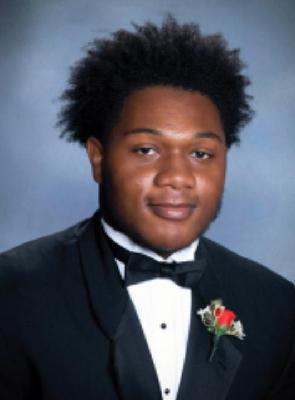
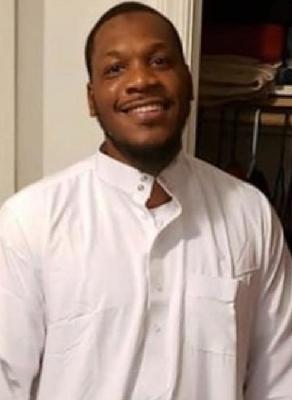
Jamar Johnson was only 17 years old when his life came to an end on February 26, 2002, in Chester, Pennsylvania. He was a Black / African American male, still in his teenage years, still at an age when most young people are only beginning to imagine what their future might look like. Instead, Jamar became another young life cut short by gun violence, leaving behind the painful silence that follows when a family, a community, and everyone who knew him are forced to face the reality that he would
not be coming home.
The available public information about Jamar’s death is painfully limited, but even that small amount says enough to understand the weight of the loss. He was a teenager from Chester whose death was connected to a shooting, and the online traces that remain describe him as a shooting victim who died from his injuries. What is missing from the public record is almost as haunting as what is known. There is no detailed account publicly available describing where exactly the shooting happened, what led up to it, who was present, or whether Jamar had any warning that danger was near. There is no widely available narrative explaining his final moments or the circumstances that placed him in the path of violence that day.
What remains is the name of a young person whose life mattered. Jamar was more than the brief references that appear in public records and memorial listings. He was 17, an age filled with transition, uncertainty, personality, friendships, family ties, and unfinished plans. At that age, a person is still becoming who they are going to be. There are dreams not yet spoken out loud, milestones not yet reached, birthdays not yet celebrated, and ordinary moments that families expect to have more of. His death meant all of that was taken away at once.
For those who loved Jamar, February 26, 2002, was not just a date attached to a case. It became the day everything changed. A shooting death leaves behind a particular kind of grief, one shaped not only by loss but by the violence of how that loss happened. Families are left with questions that may never be fully answered. Friends are left remembering conversations, laughter, and moments that suddenly become memories instead of part of an ongoing life. Communities are left to absorb another act of violence involving someone young, another reminder that a teenager’s future can be stolen in an instant.
The public record does not identify any named suspect in Jamar Johnson’s death. No available online information confirms that anyone was arrested for the shooting. There are no public details showing that charges were filed, that a trial took place, or that a person was convicted for killing him. Likewise, there is no available information describing any sentencing, prison term, probation, or other punishment connected to the case. From what is publicly available, Jamar’s death appears to remain without a clearly documented resolution.
That absence of information deepens the tragedy. When a young person is killed and no arrest or conviction can be found in the public record, the loss is accompanied by uncertainty. Loved ones may be left not only grieving, but also wondering who was responsible and whether accountability was ever possible. The lack of public answers does not make the case any less important. It only makes the need to remember Jamar more urgent.
Jamar Johnson’s story, as it can be told from the available information, is the story of a teenager from Chester whose life ended far too soon. It is a story marked by violence, by unanswered questions, and by the absence of a publicly known resolution. But it is also a story that should not be reduced only to the way he died. His name deserves to be spoken with care because he was someone’s child, someone’s friend, someone whose life had meaning before it became attached to a date of death. The limited details may leave much unknown, but they do not erase the truth that Jamar’s life mattered, his death caused real pain, and his memory deserves to remain more than a forgotten line in a record of violence.