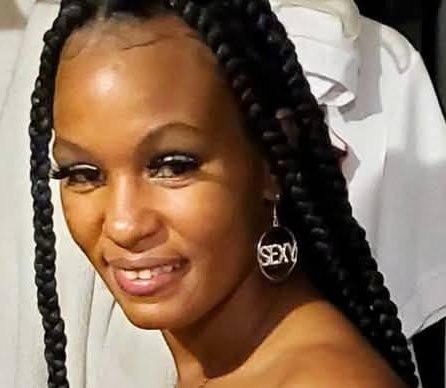
Lashann Matthews, 20, a Black woman from Hammond, Louisiana, died on May 18, 1998, in a place that should have felt safest: the mobile home where she lived with her husband, Eric Dawon Matthews. When relatives arrived to check on her, they discovered a scene that looked staged for cruelty—her hands and feet bound, a sock forced into her mouth, and marks consistent with choking at her neck, with early reports describing death by asphyxiation. The house was unnaturally quiet, but what felt loudest was what wasn’t there: her husband, and the children who should have been close by.
As word spread, the case stopped being only about what happened inside that trailer and became a frantic search that stretched beyond Louisiana. Investigators focused quickly on her husband as the prime suspect, and reports at the time described him as wanted for questioning after her body was found. The urgency sharpened because he had fled with the children, turning the aftermath into a widening manhunt rather than a contained homicide investigation.
Two days later, on May 20, 1998, police spotted Matthews’ vehicle in Schiller Park, Illinois, near O’Hare International Airport, and arrested him. Only one child was found with him, and he initially claimed he had left the younger child at a hospital in New Orleans. That explanation unraveled. The child was later found dead in Kenner, Louisiana, stuffed into a gym bag and discarded in a trash bin behind a church—an escalation that made the earlier violence feel like the beginning of something larger and far colder. Under pressure from investigators, Matthews confessed not only to the child’s killing, but also to additional violent crimes connected to the days he was on the run.
In the years that followed, the legal process moved slowly, tangled in challenges and delays over his statements and other issues, but the case did not drift into uncertainty about who was responsible. In 2006, Matthews entered a plea deal and pleaded guilty to second-degree murder in Louisiana, receiving a life sentence without the possibility of parole. The outcome closed the courtroom chapter on Lashann Matthews’ death with a clear answer on the suspect and the conviction, even if it could never repair what was taken from her family in that single, brutal May night in Hammond.