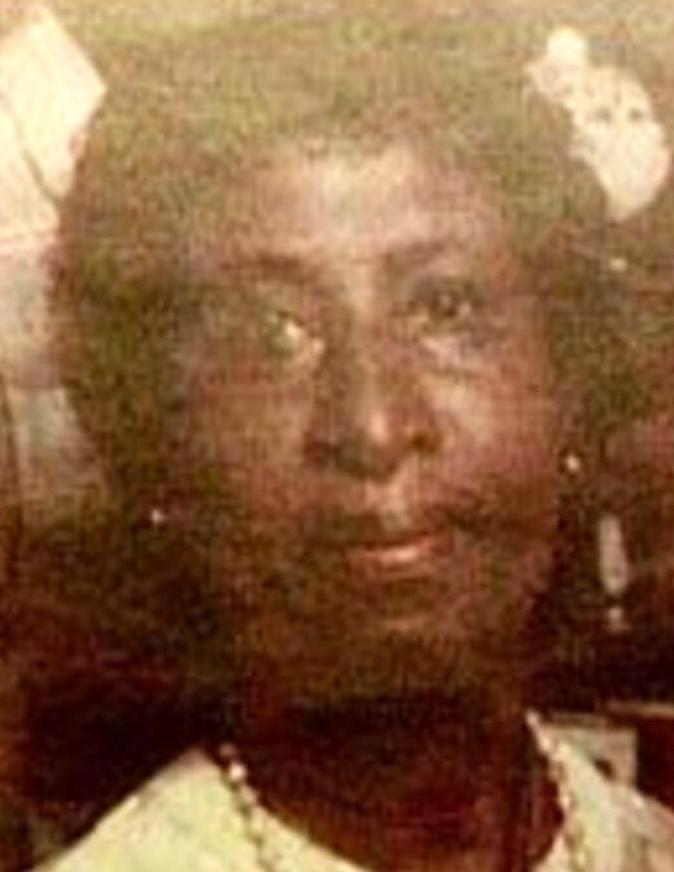
Pam Kinamore, 44, a white woman, finished her day on July 12, 2002, and returned to her Baton Rouge home, a place that should have been safe and familiar. Sometime after she arrived, an intruder came in through an unlocked front door and took her from inside the house, vanishing with her so completely that, at first, there was little to show what had happened beyond the sudden wrongness of her absence.
In the days that followed, pieces of the night began to surface in fragments—reports of a terrified woman seen in transit, witnesses catching brief, unsettling glimpses that suggested she was being moved against her will. Then, on July 16, 2002, her body was discovered near the Whiskey Bay area off Interstate 10, a lonely stretch that turned the case from a missing-person search into a homicide investigation. The condition of her remains made identification difficult at first, and investigators ultimately relied on dental records to confirm it was Pam.
The autopsy findings described a brutal death. Court records later summarized that she had been strangled and suffered multiple significant wounds to her neck. News reporting at the time emphasized the severity of the throat injuries and the way her body had been left near the interstate corridor, adding to growing fears that Baton Rouge was dealing with something larger than an isolated crime.
As more women were attacked and killed in the region, Pam’s murder became one of the cases folded into the expanding “Baton Rouge serial killer” investigation. Derrick Todd Lee emerged as the central suspect in that series and was arrested in Atlanta on May 27, 2003, after authorities linked him to multiple murders and intensified the search for him. Prosecutors and courts later described Pam’s homicide among the other killings used as “other crimes” evidence in Lee’s prosecution for the murder of Charlotte Murray Pace—evidence presented to show identity, pattern, and intent—even though the trials that produced convictions focused on other victims.
Lee was convicted in separate proceedings for other murders tied to the same terror—most notably for Charlotte Murray Pace and for Geralyn DeSoto. Pam’s case, however, remained in the grim category of a killing investigators and prosecutors connected to him within the broader pattern, rather than one that reached its own final courtroom reckoning before Lee later died in custody.