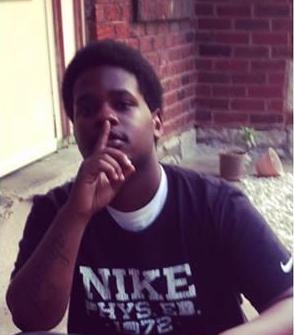
Isiac L. Nelson was 22 years old. They died in Kansas City, Missouri, and even in the small amount that’s been provided, the weight of what that means is enormous—because 22 is still so early, still so full of unfinished plans, half-formed dreams, and the kind of future that’s supposed to keep unfolding instead of stopping cold.
What makes this loss feel even heavier is the silence around it. A name, an age, a city, and the stark fact of death—without the details that usually follow, without the context that helps people understand how something so final happened. There’s no clear timeline to hold onto here, no public explanation of what led to that ending, no description of the place or the moments that came before. It leaves behind an emptiness that doesn’t just belong to the person who’s gone, but to everyone who has to live with the questions.
Somewhere in Kansas City, a life ended, and that truth doesn’t soften no matter how little is known. The absence of specifics doesn’t make the grief smaller—it makes it stranger, more helpless, because it denies the comfort that clarity sometimes brings. When there are no publicly shared circumstances, the mind tries to build them anyway, reaching for anything that might make the ending make sense. But sense isn’t always available. Sometimes all you’re left with is the ache of knowing a person existed, and now they don’t.
With the information provided, there are no details to share about arrests, suspects, or charges. There’s no mention of an investigation’s direction, no names connected to the loss beyond Isiac’s, no public steps that suggest accountability has been identified or pursued. That kind of uncertainty can feel like a second wound—because grief is already hard, but grief paired with unanswered questions can turn into something that lingers and tightens over time.
What can be said with certainty is that Isiac L. Nelson’s death matters. It matters even without the surrounding facts, even without a neatly told sequence of events, even without the official language that so often flattens tragedy into a few lines. A 22-year-old dying is not just a statistic; it is a rupture. It is an absence that spreads through families, friendships, neighborhoods—through anyone who knew the sound of their voice, anyone who expected to see them again, anyone who still catches themselves thinking they can pick up the phone and reach them.
And if there is one thing that does carry through the gaps, it’s this: someone loved Isiac. Someone is missing them. Someone, somewhere, is living with the shock of a young life ending in Kansas City, and with the quiet, persistent hope that the unknown parts of the story will someday be known—that answers will exist, that responsibility will be clear if it needs to be, and that Isiac will be remembered as more than a name attached to a death.