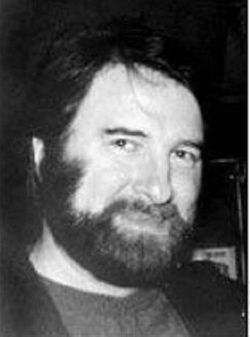
Harold Phillips was a 22-year-old Black man when his life ended in New York City on October 3, 1976. Inside his own apartment at 27 East 124th Street, the violence was blunt and intimate: he was beaten to death with a hammer, the kind of killing that leaves a room feeling less like a home and more like a crime scene that can’t be tidied away.
In the city outside, life kept moving, but the case did not immediately find its footing.
The killing sat among other unsolved murders of young men in Manhattan during that era, with the kind of thin early leads that can evaporate as days turn into weeks. What remained were the hard facts of where he was found and how he was killed, and the ache of a death that made no sense to the people who knew him.
The break came only after another horror shook the city later that year: the dismemberment of a teenager, Harry Carillo, whose remains were discovered in Central Park on December 29, 1976. Investigators focused on Waldo Grant after he was reported to have been the last person seen with Carillo, and police questioned him repeatedly over the following days. On January 10, 1977, after hours of interrogation and mounting circumstantial pressure tied to the Carillo case, Grant confessed—not only to Carillo’s murder, but to three earlier killings as well, including the hammer murder of Phillips.
From that point, the case transformed from a quiet, stalled homicide into part of a larger prosecution. Grant was accused of murdering four men in New York City between 1973 and 1976, a sequence of crimes that prosecutors treated as separate acts but that, together, painted a portrait of predation that had gone unchecked for years. The confessions linked names, dates, and locations that had once been scattered across police files, and Phillips’ death—once a solitary tragedy—became one of the counts anchoring the larger case.
The legal endgame arrived in 1978. Grant was found guilty of the four murders on June 30, 1978, and he received four concurrent life sentences, closing the courtroom chapter even as it could never truly close the story of what happened in that apartment on East 124th Street. For Phillips, the record that survived in public accounts is grimly simple: a young man killed at home, a case that waited for another murder to unlock it, and a confession that finally put a name to the violence.