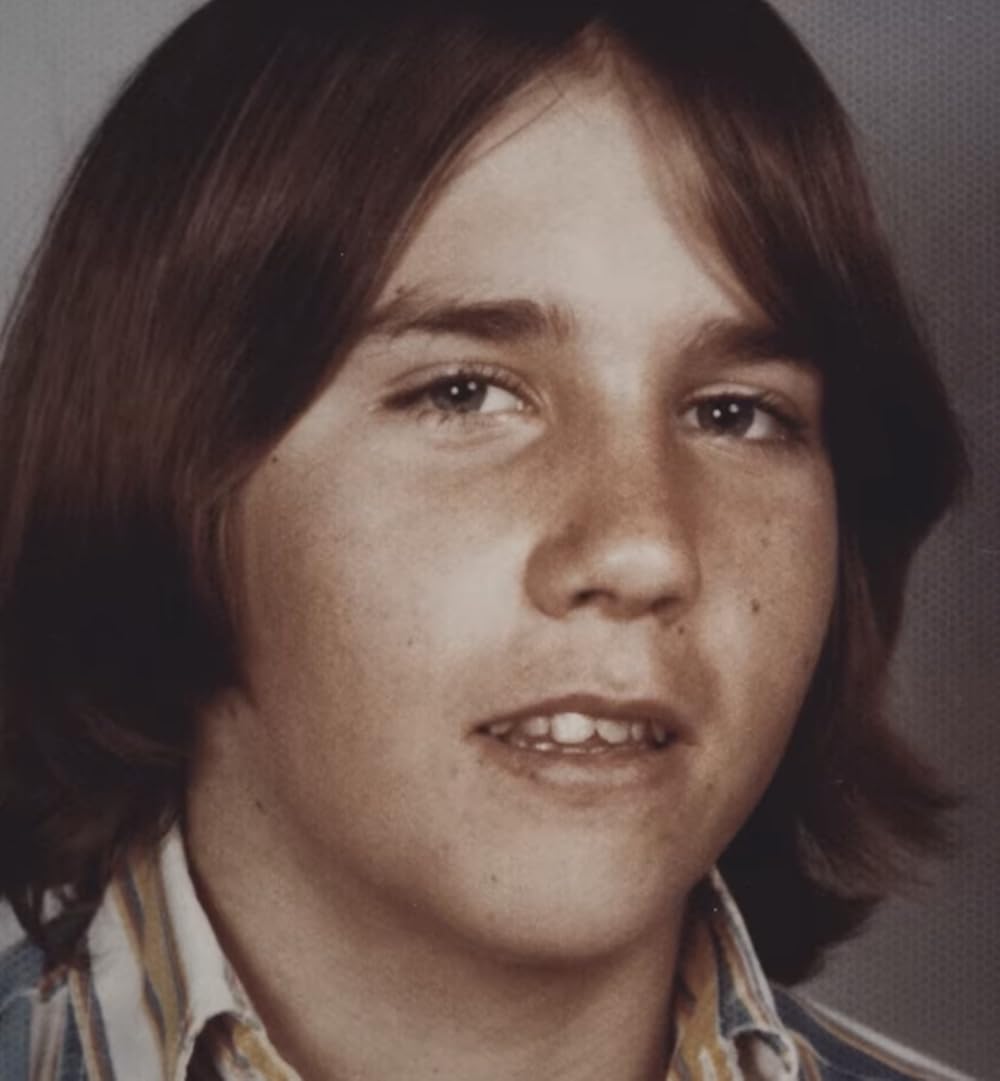
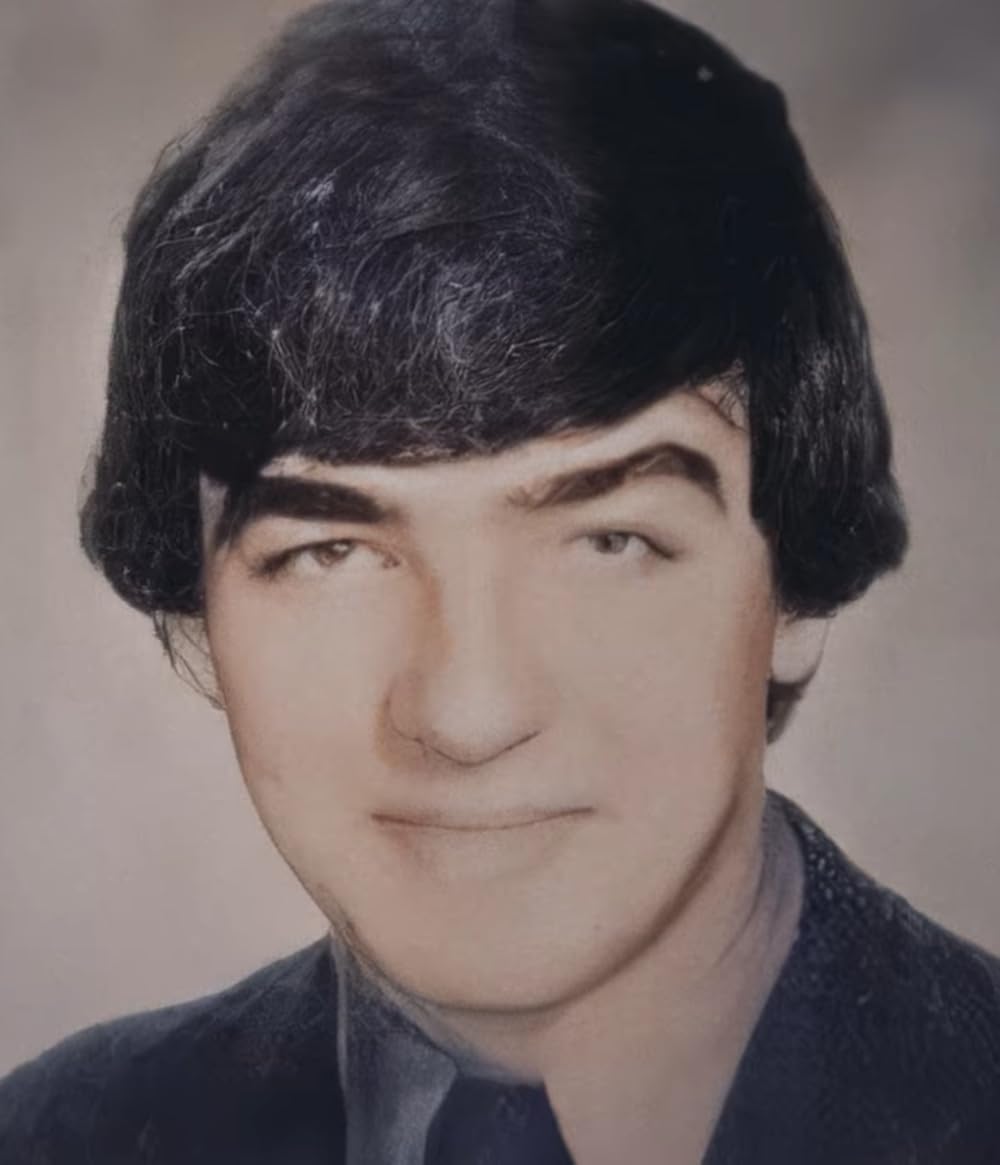
Michael Bonnin, a 17-year-old male, tragically lost his life on June 3, 1976, in Norwood Park Township, Cook County, Illinois. He was one of the victims of John Wayne Gacy, a notorious serial killer and sex offender who was responsible for the deaths of at least 33 young men and boys between 1972 and 1978. Gacy, often referred to as "The Killer Clown" due to his public performances as a clown, committed these heinous acts in the Chicago area.
Michael Bonnin, who disappeared while traveling from Chicago to Waukegan, was strangled with a ligature. His remains were later identified as "Body #18" and were discovered buried under the spare bedroom of Gacy's home.
John Wayne Gacy's crimes were among the most shocking in U.S. history, and his conviction for 33 murders marked a grim milestone in the legal system. Gacy was arrested in December 1978 after a thorough investigation that linked him to the disappearance of another young man, Robert Piest. The discovery of multiple bodies in the crawl space of Gacy's home led to his conviction. He was sentenced to death and was executed by lethal injection on May 10, 1994, at the Statesville Correctional Center in Illinois.
The case of Michael Bonnin, along with the other victims, highlighted the failures in the system that allowed Gacy to continue his crimes for years. Despite previous accusations and arrests for sexual assault, Gacy managed to evade significant scrutiny until the late 1970s. The investigation into his crimes revealed a pattern of targeting vulnerable young men and boys, often luring them to his home under false pretenses before subjecting them to unspeakable acts of violence.
The legacy of Michael Bonnin and the other victims serves as a somber reminder of the importance of vigilance and justice in preventing such tragedies. Their stories continue to be remembered as part of the broader narrative of one of America's most infamous serial killers.