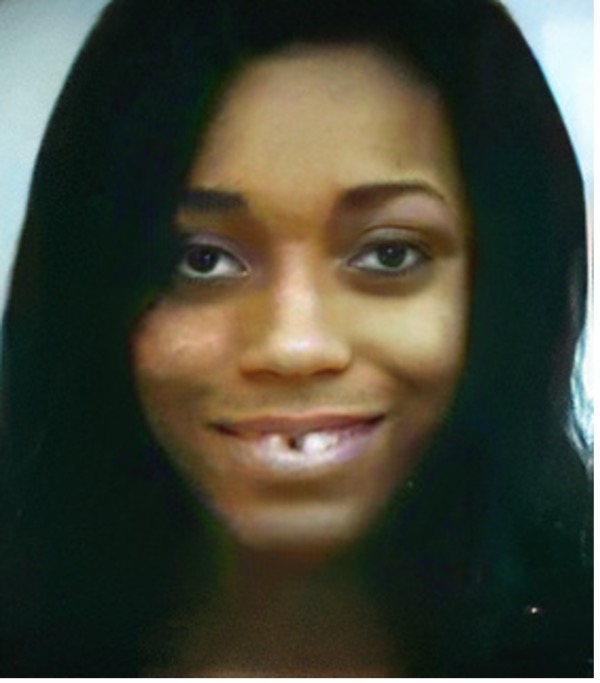
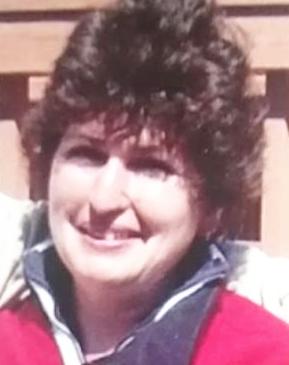
Michelle Eason was a 26-year-old Black woman who vanished from the streets of Poughkeepsie, New York, after she was last seen in the Main Street area sometime in September 1997.
In the weeks that followed, the silence around her grew heavier instead of breaking. By October 9, 1997, she was officially reported missing, and her name joined a troubling list of women who disappeared from the same small pocket of the city between late 1996 and the summer of 1998.
Investigators noted identifying details that should have made her easier to recognize—extensive dental work and a dark birthmark on her left shoulder—yet there was still no confirmed sighting, no phone call, no traceable activity that could point to where she went next.
As months turned into years, her disappearance became impossible to separate from the shadow hanging over Poughkeepsie at the time: Kendall Francois, the serial killer later convicted in the deaths of multiple women in the same area. After bodies were discovered inside his family’s Fulton Avenue home, the question that wouldn’t go away was whether Michelle’s path had crossed his at the worst possible moment. Francois was never charged in her disappearance, and she was not among the victims recovered from that house; still, investigators and observers kept circling back to him, especially because his plea agreement required cooperation with her investigation and because authorities said he suggested he might have been connected while refusing to outright confess.
But the story of what may have happened to Michelle does not end with one suspect’s name. Another thread ran through the same streets and apartments—drug activity, volatile relationships, and the kind of fear that can make people talk in fragments or not at all. One theory raised was that her disappearance was drug-related, tied to the people she was living with near Main and North Cherry Streets; a rumor claimed she stole drugs and was killed in retaliation, leaving the city with nothing to bury and no scene to process. Her boyfriend was questioned, but never charged, and when asked to take a polygraph he refused, saying medication could affect the results; he suggested she had been killed by drug dealers and her body dumped in a river, a grim possibility that fit the landscape and the era, even if it couldn’t be proven.
There were also whispers that pulled in the opposite direction—stories that she was alive somewhere far from Dutchess County. Investigators pointed out that she had disappeared before for stretches of time, but she always reached out to someone soon after; in 2001, a rumor surfaced in a local restaurant that she was living in Arizona. Authorities followed up and found nothing to support it, and the practical realities of her life at the time—no driver’s license, no credit cards, no bank account—made it even harder to track her through paper trails that might have offered a second chance at answers. She left behind a young daughter, and the case remains open, suspended between the horror of what might have happened and the ache of what can’t be confirmed.