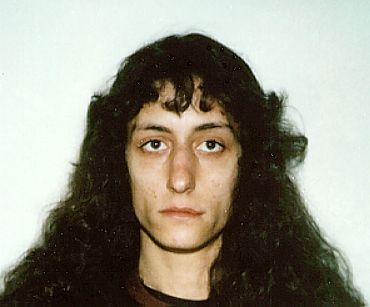
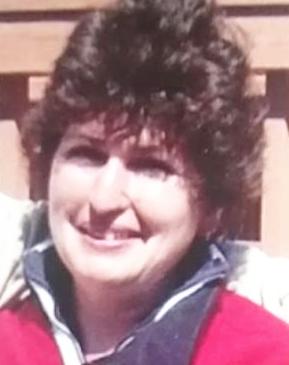
Mary Healey Giaccone, a 29-year-old white woman, vanished from the streets of Poughkeepsie, New York, at a time when women who drifted through the city’s downtown margins were disappearing with terrifying regularity. The best-known timelines place her last day alive in February 1997, a date that would later be treated as the rough edge of her death window rather than a moment anyone could pinpoint with certainty.
For months, Mary’s absence blended into the background noise of a city that didn’t yet understand it was being hunted. Then, in November 1997, her name finally made its way into an official missing-person report—sparked, according to accounts of the case, by the cruel logistics of loss: her family needed to find her to deliver word of another death in the family, and when she couldn’t be reached, police were asked to help. Around that same time, investigators were also staring at a widening constellation of missing women, many last seen in the same downtown corridors, and whispers began to harden into a pattern.
Those whispers carried a name. Sex workers in the area complained about a local man who was rough, violent, and frighteningly comfortable with choking—Kendall Francois, a lifelong Poughkeepsie resident. Police attention narrowed, surveillance followed, and attempts were made to gather usable evidence, but the case resisted them. The disappearances remained, for too long, a set of open doors with nothing behind them—no body, no definitive scene, no single moment that forced the city to look directly at what was happening.
The break came on September 1, 1998, when a woman escaped an assault and made it to the attention of detectives who were already out distributing flyers about another missing woman. That complaint led police back to Francois and then into his family home at 99 Fulton Avenue, where a search revealed what the town had been missing: bodies concealed inside a garbage-strewn house, victims hidden in spaces meant to be forgotten. Reports from the period describe authorities recovering multiple women from the residence, and Mary Healey Giaccone was ultimately identified among them—one of the women investigators concluded had been killed and kept there.
Francois was arrested and charged, and the legal fight that followed became entangled with New York’s death-penalty procedures at the time—so much so that the question of whether he could plead guilty, and when, reached the state’s highest court. In the end, he pleaded guilty to the murders and received life imprisonment without the possibility of parole; accounts of the case widely describe strangulation as the method used in the killings. No other suspects were arrested for Mary’s death once the case was tied to Francois and folded into the larger prosecution.
Mary was buried in Dutchess County, in Beacon, New York, her grave marking an ending that arrived long after she was gone. The public record that remains is shaped less by a single, clean narrative of one woman’s final hours and more by the grim reality of how she was found—her story recovered only when the hidden rooms of one house finally gave up their dead.