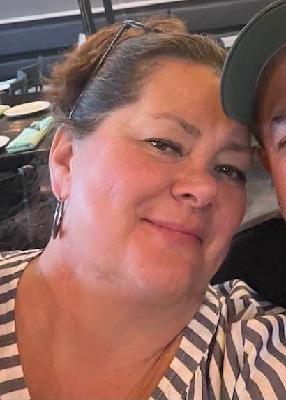
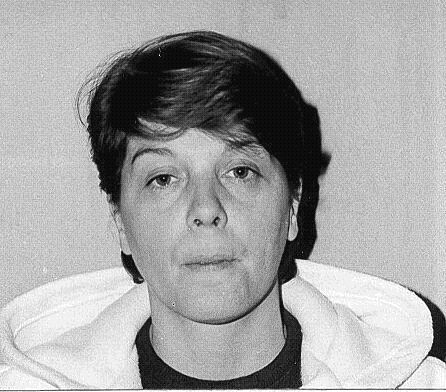
Sandra Jean French, a 51-year-old woman, was described as White. In June 1998, she vanished from Dutchess County after being reported missing on June 12 from Dover, New York, a short drive from the streets of Poughkeepsie where she was last believed to have been. Her car soon turned up abandoned in Poughkeepsie, left only a few blocks from a quiet green house on Fulton Avenue—close enough to feel like a taunt, yet not enough to prove what had happened to her.
By then, a pattern had already been simmering in the background: women connected to the downtown area were disappearing, and detectives were struggling with a case that looked like a string of missing-person reports but felt like something darker. Police had been hearing street-level warnings about a local man who could be violent and rough, and they had even tried watching his home and using a wired informant to talk with him—efforts that produced suspicion, but not the kind of evidence that forces a door open.
That changed at the end of the summer. On September 1, 1998, Kendall Francois was accused of assaulting a woman named Christine Sala after bringing her to his home; she escaped and ran for help, and detectives nearby—out distributing flyers about another missing woman—ended up taking the complaint that set everything in motion. Police went to speak with Francois that same day, and over the next hours he made admissions about the disappearances; he was arrested and initially charged in the murder of Catina Newmaster while investigators rushed to secure a search warrant for his house at 99 Fulton Avenue.
Inside, the investigation turned into a grim excavation. Officers and crime-scene teams entered rooms piled with garbage and permeated by a powerful stench, then began finding bodies in different parts of the home, including the attic, hidden under clothes and blankets. Over the following days, as remains were removed and forensic work began, identifications came in—among them Sandra French, confirming that her disappearance in June was not a runaway story or a misfiled report, but part of a series of murders that had been unfolding in plain sight.
Francois’ name had surfaced earlier in the investigation, and he had even been arrested in January 1998 for assaulting a woman and later pleaded guilty to misdemeanor assault, serving a short jail sentence—an episode that, in hindsight, read like a warning flare. After the bodies were found, the criminal case accelerated: by October 8, 1998, a grand jury indictment charged him with multiple counts, including eight counts of first-degree murder under New York’s then-recent capital-murder statute, along with second-degree murder charges and an attempted assault count.
What followed became as much a legal battle as a horror story. Francois fought over whether he could plead guilty before prosecutors completed the statutory process tied to seeking the death penalty, an issue that reached New York’s highest court. Ultimately, the case ended not with a trial but with a plea arrangement: in August 2000, Francois was sentenced to life in prison without parole for the killings of eight women, closing the courtroom chapter while leaving families to reckon with the fact that Sandra French’s final whereabouts had been hidden for months inside a house that, from the curb, looked like any other.