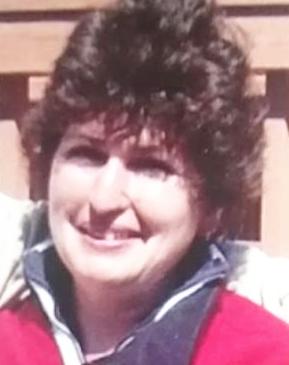
Gina Barone, a 29-year-old White woman, vanished from the streets of Poughkeepsie, New York, after she was last seen on November 29, 1996. In the days that followed, the ordinary rhythms of the Hudson Valley city kept moving—cars rolling past the downtown corners, storefront lights blinking on and off—while her absence settled into the people who loved her.
By early December 1996, her mother, Patricia Barone, reported her missing, launching a search that would stretch far beyond the season when she disappeared.
For a long time, there was no clear path to her. The investigation into missing people in the area would slowly thicken as other disappearances piled up, many linked by the same vulnerable nightlife corridors. Behind closed doors, police attention narrowed toward a local man named Kendall Francois, who lived on Fulton Avenue and had begun appearing in complaints from people working the streets—accounts that painted him as violent and unpredictable. Law enforcement questioned him during the broader missing-persons investigation, and he was also arrested in 1998 in connection with an assault on a sex worker, a case that added to the growing suspicion around him.
The break that finally cracked the case open came in early September 1998, after an attack in which a victim escaped and authorities moved in. Francois was taken into custody and, as investigators pushed forward, they obtained authority to search his family’s home at 99 Fulton Avenue. Inside the garbage-choked house, police discovered what would be described as a hidden graveyard—human remains concealed in the attic and crawl space. Over several days of searching and removals, the community watched the unimaginable become real, and the missing were no longer just names on flyers.
Barone was among those found. Sources describing the identification process say that after the first body was identified, additional identifications followed in quick succession, with her name confirmed among the victims recovered from the house. Other accounts of the killings place her death in late November 1996, consistent with the date she was last seen, and describe her being killed by strangulation after being picked up in Poughkeepsie. Her body’s recovery is commonly tied to the September 1998 search of the Fulton Avenue home, closing the long, aching uncertainty that had begun the previous winter.
After his arrest, Kendall Francois became the central and only charged suspect in Barone’s killing. Court proceedings escalated from initial charges to a sweeping set of murder counts encompassing multiple victims. He ultimately pleaded guilty to avoid the possibility of a death sentence, and he was sentenced in 2000 to life in prison without parole for the murders he admitted, ending the criminal case in court even as the emotional aftermath remained with the families and the city. Francois died in prison years later, but the record of arrest, prosecution, and conviction left no ambiguity about who authorities held responsible for Gina Barone’s death.