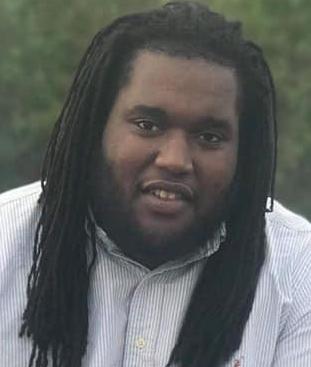
Alonzo Hogan was a 34-year-old Black man from Raceland, Louisiana, who vanished into the humid bayou night after being seen at a Kmart in Houma late on Friday, July 1, 2005. By the next morning, his body had been left off Louisiana Highway 306 near Bayou Gauche in St. Charles Parish, a lonely stretch that investigators described as a dumping ground rather than a place where anything accidental happens.
He had been strangled and suffocated, and the ordinary things that anchored him to the night before—his bicycle and backpack—were gone, as if someone had tried to erase the last path he took.
In those first days, Hogan’s death didn’t sit on its own. Detectives openly weighed whether it fit a chilling pattern of men being asphyxiated and abandoned in remote spots across south Louisiana, a string that had already forced agencies to pool resources and compare cases that crossed parish lines. The similarities were hard to ignore: the method, the disposal, the geography, and the sense that the killer moved through the region with practiced confidence. Hogan’s killing was discussed as potentially part of that larger series, and investigators treated it that way—another life ended, another scene to map against the growing nightmare.
The break in the broader investigation came the following year. Ronald Joseph Dominique was arrested in December 2006 in Houma, and authorities said he confessed to killing 23 men, describing the crimes with details investigators believed only the perpetrator would know. In the wake of that confession, Hogan’s name appeared among the victims attributed to Dominique in retrospective reporting about the case, tying Hogan’s final hours—Houma on a Friday night, Bayou Gauche by morning—to the arc of a serial predator who targeted men across multiple parishes.
As for arrests, suspects, and courtroom outcomes: Dominique became the central suspect in the wider spree, and prosecutors pursued him for multiple killings. In September 2008, he pleaded guilty to eight counts of first-degree murder and was sentenced to eight consecutive life terms, a resolution that avoided a trial and the death penalty while cementing him as the convicted killer in the case that law enforcement had hunted for years. Those guilty pleas and life sentences addressed eight specific murders in Terrebonne Parish, while Dominique’s confession and investigative findings formed the basis for linking him to additional deaths discussed by authorities and the press—Hogan’s among them—leaving Hogan’s story as one chapter in a long, devastating sequence that haunted families across the bayou.