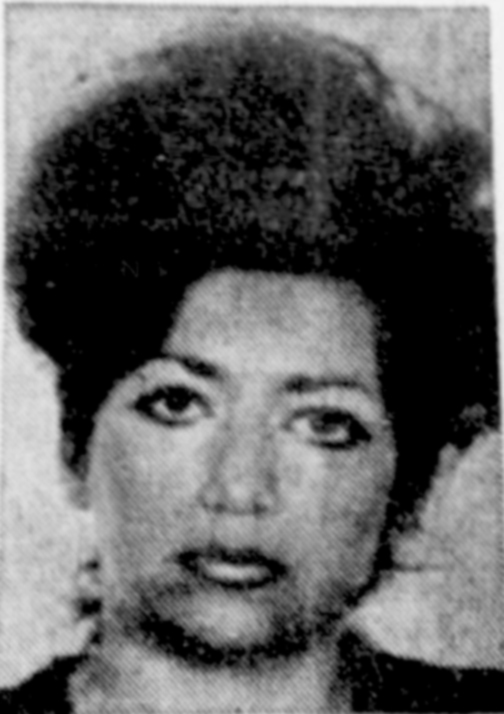
Lorraine Montalvo McGraw, a 26-year-old Hispanic/Latina woman, disappeared on February 27, 1970, and within days the woods above the Hudson would become the silent keeper of what happened next. Late on Sunday, March 1, hikers moving along a trail just west of Tweed Boulevard in South Nyack came upon her nude body near the old Camp Bluefields water-tower area, a secluded stretch that people locally described as a kind of lover’s lane. Police on scene saw clear signs of violence, including evidence consistent with strangulation, and investigators estimated she had been dead for roughly two days—placing the time of her killing on or about February 27.
As detectives tried to piece together her final hours, they also faced the hard problem of identity and movement in a time before digital trails. Later accounts say the FBI ultimately identified her as Lorraine McGraw, and that she had ties to Queens, including the Queensbridge Houses in Long Island City. Reports about her life describe a young mother navigating unstable circumstances and spending time around nightlife corridors and streets where vulnerable women were often exploited—details that, then and now, could easily cause a victim to be mislabeled instead of protected.
For decades, the case sat in the long shadow of other headlines, with no public resolution and no named offender brought before a Rockland County court for her death. What remained were the basics that wouldn’t budge: where she was found, what had been done to her, and the unnerving gap between a last known date and a body left where strangers, not family, would stumble upon it. The passage of time turned the murder into a cold case, one that lived mostly in fragments—old reports, institutional memory, and a family’s unanswered questions.
That began to change in the early 2020s, when renewed attention on a notorious serial killer—Richard Cottingham, long imprisoned in New Jersey and known in the media as the “Torso Killer”—brought Lorraine’s name back into active investigative conversation. Accounts of the reopening describe outside researchers and a member of Lorraine’s family pressing for answers, with communication lines reaching into the prison system where Cottingham could be questioned about crimes from the era.
By 2022, Rockland County authorities said they corroborated and accepted Cottingham’s confession to killing Lorraine, with public reporting describing a non-prosecution agreement tied to that admission. In other words, the central “suspect” in the modern phase of the case became a man already serving life sentences, and the resolution—while described as a closure of the case—did not unfold as a new arrest for Lorraine’s murder, a Rockland County trial, or a fresh conviction specific to her death. The case outcome, as presented publicly, was instead anchored in the accepted confession under negotiated terms.