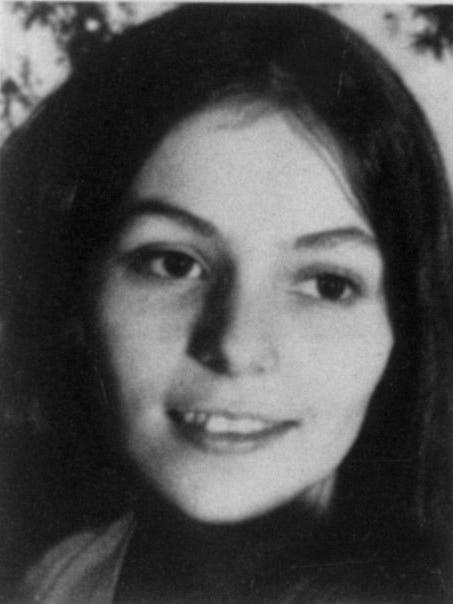
On March 18, 1988, Dotsie Blackburn vanished from Rochester, New York, and the worry that followed her home life and street life quickly turned into something colder. Blackburn, a 27-year-old white woman, was reported missing by her sister that same day, but the place she would be found was nowhere near the routines of the city—Salmon Creek along Route 31, at the edge of the Genesee River Gorge, where late-winter ice was breaking and the water carried silt and debris.
When hunters spotted what they first took for a discarded mannequin rising at the surface on March 24, the illusion collapsed the moment they saw a frozen face staring back. They called authorities, and the body was pulled from the water into daylight.
Up close, the damage told its own grim chronology. Investigators could see heavy bruising consistent with a beating, and the medical examiner, Nick Forbes, documented strangulation as the cause of death, ruling out drowning because there was no water in the lungs. The examination also recorded severe injury to the genital area, including trauma and marks described as teeth impressions, and indications that she had been violently kicked in the groin. Forbes noted additional blunt-force wounds and an unusual patterned indentation across the chest—photographed and logged, but not then connected to a clear weapon. With little physical evidence pointing to a single attacker, the killing was treated as the kind of brutal, high-risk violence that could swallow a person in silence, and the case began to fade from urgent attention.
As months passed, that silence didn’t hold. Other bodies began turning up in and around Rochester, many left near the same river corridor, and the earlier death that had seemed like a lone catastrophe started to look like the opening note of a longer terror. In the search for whoever was doing it, investigators intensified attention around dump sites and access points near the waterways. On January 5, 1990, police arrested Arthur John Shawcross after surveillance and an eyewitness placed him at a bridge over Salmon Creek near where another victim had been left, with officers describing him lingering by his car and behaving sexually at the scene. From that moment, the killings that had haunted the gorge and the creek were pulled into a single, named narrative, with Blackburn identified among the victims tied to him.
The prosecution that followed focused on the string of murders in Monroe County. In November 1990, Shawcross went to trial for ten killings there, mounting an insanity defense that the jury ultimately rejected. On December 13, 1990, he was found guilty on ten counts of second-degree murder and received sentences of 25 years to life on each count—effectively 250 years. A separate case in neighboring Wayne County for Elizabeth Gibson’s murder ended later with a guilty plea and an additional life sentence. In the public record of those proceedings, Blackburn’s death was no longer an isolated mystery: it was treated as part of the series attributed to Shawcross, and no separate arrest of another suspect for her killing emerged from the case history described in those accounts.