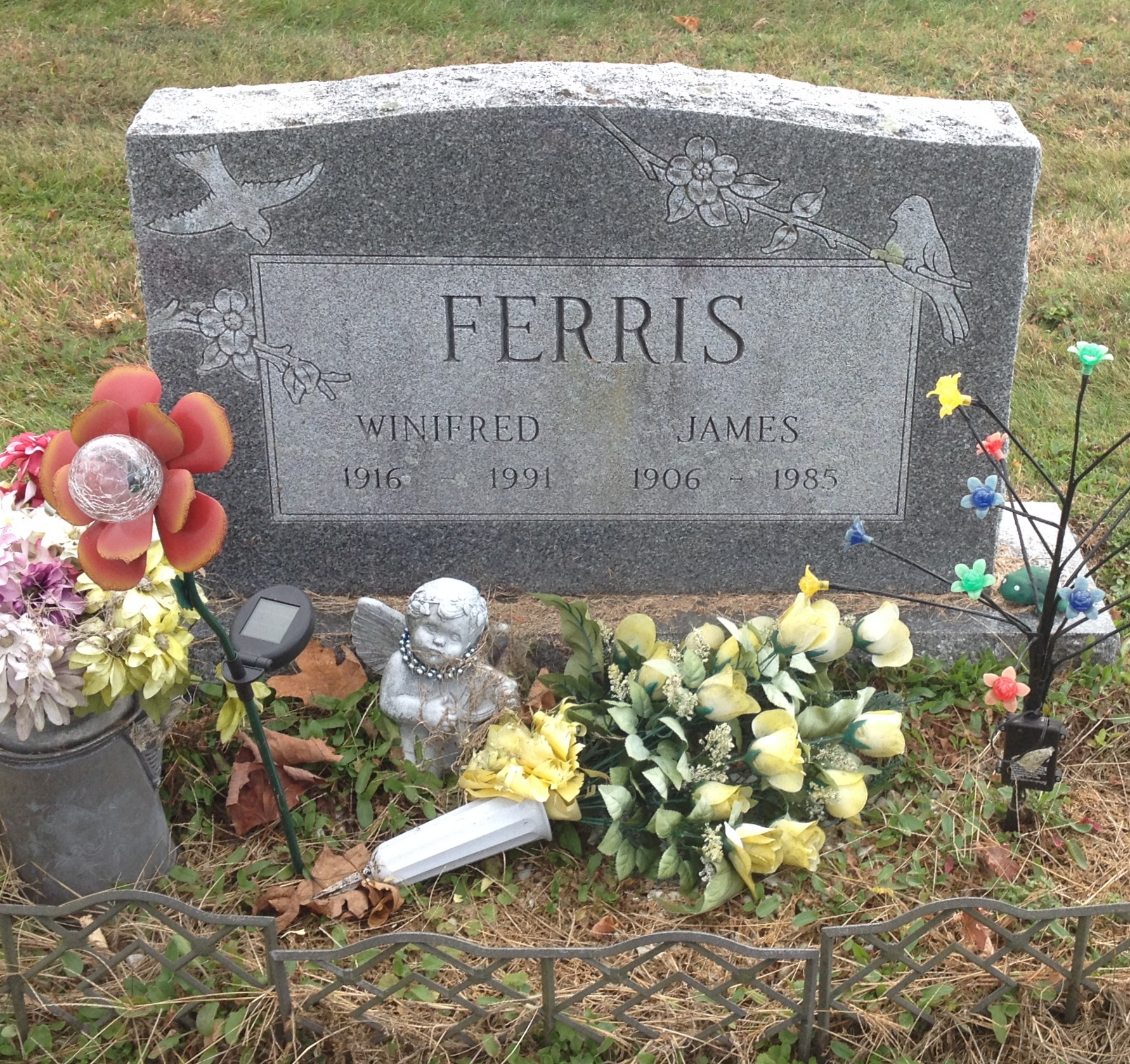
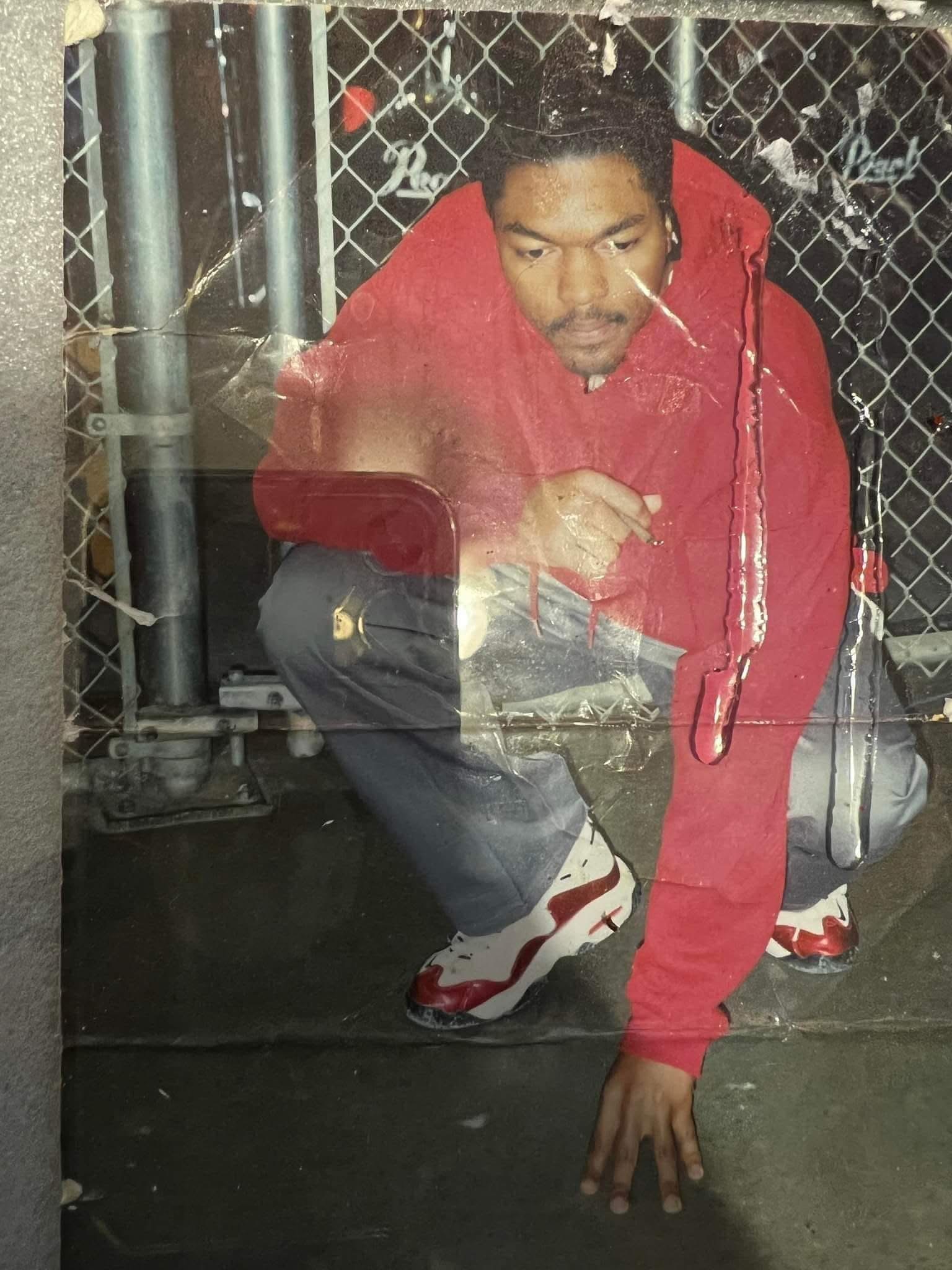
James Ferris, a 25-year-old man from Kansas City, Missouri, reached out to someone he knew on September 26, 1985, looking for a place to stay for a short time. The person who answered sounded agreeable, even friendly, and arranged to meet him at a bar that evening. Ferris had no way of knowing the invitation was less hospitality than a trap being set with calm hands and a rehearsed smile.
Later, inside the house on Charlotte Street, Ferris was quietly drugged—crushed tranquilizers hidden in food—until his body gave out. Once he was helpless, he was tied to a bed, and the night turned into an ordeal that lasted roughly 27 hours. What followed, as later reconstructed from the killer’s own meticulous notes and admissions, was near-constant torture: repeated high-voltage electrical shocks and the use of hypodermic needles as instruments of pain. As Ferris deteriorated, the logbook shifted from clinical shorthand to bleak observation—he became delirious, too weak to sit upright for more than seconds, his breathing slowing to long delays—until the final entry marked his death with a kitchen-slang term the writer used as a chef: “86.”
For years, Ferris’s disappearance hung in that terrible space between hope and dread. A missing-person report existed, and police had questioned the same man who’d offered him a place to stay, but the suspect denied involvement and investigators couldn’t pin anything down to proof. The case lingered in whispers and suspicion—especially among people who moved through the same nightlife and street corners—without the kind of evidence that forces a door open in court.
Everything changed on April 2, 1988, when another captive escaped that same address—barely clothed, injured, desperate enough to run straight at a meter reader and beg for help. Police arrested the homeowner that day on charges tied to the sexual assault of the escapee, then returned with a search warrant and stepped into a house that seemed built for secrets. In the second-floor bedroom, investigators found physical signs of restraint and torture—burnt ropes at the bedposts, an electrical transformer wired toward the bed, syringes and drug bottles nearby. As the search widened, they found human remains, blood evidence in the basement, hundreds of Polaroids, and detailed torture logs. Among the items recovered were newspaper clippings about a missing young man and, chillingly, a wallet and driver’s license belonging to James Ferris.
In the legal aftermath, Robert A. Berdella Jr. emerged not just as a suspect, but as the proven killer. The record shows that Ferris’s wife identified him in Polaroids recovered from the house, including images taken after Ferris was already dead—evidence that finally slammed the door on uncertainty. By December 19, 1988, Berdella stood in Jackson County Circuit Court and pleaded guilty to multiple murders: one count of first-degree murder and four counts of second-degree murder, including the second-degree murder of James Ferris. In later legal proceedings tied to civil claims, the court record notes Berdella’s sworn testimony setting Ferris’s date of death as September 27, 1985, and references a presumptive certificate of death issued by the Jackson County circuit court using that same date. There was no trial for Ferris’s murder because the case concluded through Berdella’s guilty plea and convictions.