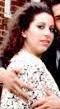
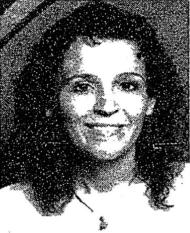
In the quiet neighborhood of Jamaica, Queens, a chilling event unfolded on the morning of April 13, 1972, forever altering the lives of a local family. Clara Toriello, a 21-year-old woman, was discovered deceased in her ground-floor apartment by her sister at approximately 7 a.m. The young secretary, who was engaged to a New York City police officer, was found naked, with the exception of a plastic cap from an electric hair dryer that was still humming nearby.
An autopsy would later reveal that she had been brutally stabbed four times in the neck and back.
Investigators determined that the perpetrator had gained entry to the apartment through an open window sometime after midnight. The heinous nature of the crime sent shockwaves through the community and launched an intensive investigation to find the person responsible for this senseless act of violence. It soon became apparent that Clara's death was not an isolated incident but part of a disturbing pattern of attacks that had been terrorizing the residents of Queens.
The investigation into Clara Toriello's murder ultimately led to a serial killer named Joseph Baldi, who was chillingly dubbed the 'Queens Creeper.' Baldi, who had a known history of mental illness and had been previously released from Creedmoor State Hospital, was linked to the murders of three other women: Areti Koularmanis, Camille Perniola, and Deborah Januszko. His method was consistent and terrifying: he would enter ground-floor apartments through unsecured windows and attack his victims as they slept.
Following his arrest, Joseph Baldi confessed to the four murders, including that of Clara Toriello. However, in a turn of legal events, the indictments for three of the murders, Toriello's among them, were dismissed due to a technicality. Despite this, Baldi was found guilty of the murder of Deborah Januszko and, in 1975, was sentenced to 25 years to life in prison. He served his sentence at the Sing Sing Correctional Facility until his death in 2009.