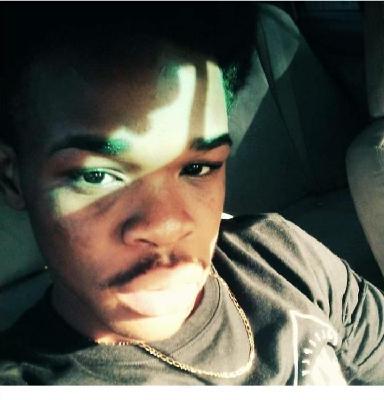
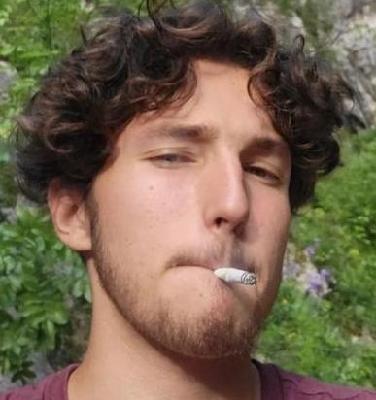
Paul Bolton Sonntag, an 18-year-old male of White ethnicity, tragically lost his life on August 1, 1966, in Austin, Texas. He was a recent graduate of Stephen F. Austin High School and had been accepted to the University of Colorado for the upcoming term. At the time of his death, Paul was working as a lifeguard at the local pool.
Paul's death was part of a larger tragedy known as the University of Texas Tower Shooting.
On that fateful day, Charles Whitman, a 25-year-old engineering student and Marine sharpshooter, killed his mother and wife before taking a cache of weapons to the top of the University of Texas Tower. From this vantage point, Whitman unleashed a 96-minute shooting spree, targeting students, faculty, and staff on campus. Paul Bolton Sonntag was one of the 17 victims who did not survive the massacre.
The investigation into the shooting revealed that Whitman had been suffering from severe mental health issues. He had previously visited a psychiatrist who diagnosed him with acute depression and had prescribed him medication. Despite this, Whitman was able to purchase multiple firearms and carry out his deadly plan. After the shooting, Whitman was eventually killed by police officers and an armed citizen who cornered him on the tower.
In the aftermath of the shooting, there were no arrests or litigations related to Paul Bolton Sonntag's death, as the primary suspect, Charles Whitman, was killed during the incident. The University of Texas Tower Shooting remains one of the deadliest mass shootings in U.S. history and has had a lasting impact on the community and the nation's approach to gun control and mental health awareness.
Paul Bolton Sonntag is remembered and honored at the UT Tower Shooting Memorial, which bears the names of all the victims, including Paul. His death serves as a somber reminder of the devastating consequences of gun violence and the importance of mental health support.