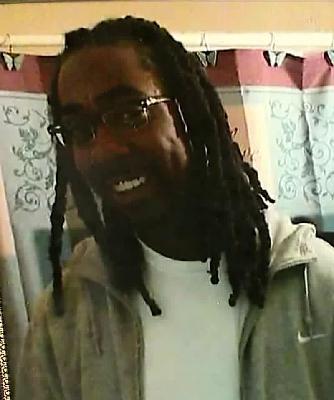
Anthony A. Crockett, 49, a man from Kansas City, Missouri, was first treated as someone who had simply slipped away at home, another quiet end explained by a long list of health problems. When his girlfriend found him around midday on Friday, February 20, 2009, he was down on the floor near the staircase in a house in the 2000 block of Kansas Avenue. There was blood on his face, but at the scene it didn’t set off alarms; responders noted that blood can appear with medical emergencies or a fall, and the medications in the home seemed to support the idea of a natural death.
What happened next reads like a case turning on a single, unsettling detail that shouldn’t have been missed. A paramedic told police the death appeared natural and even pointed out prescription containers for diabetes, high cholesterol, and high blood pressure. A homicide detective and a medical examiner investigator were consulted, but neither homicide detectives nor medical examiner staff came to the house to examine the body, and crime scene personnel were never called to collect droplets of blood or search for evidence while the home was still fresh. A doctor whose name came up in the paperwork later said she had not signed a death certificate and had only been willing to do so based on the understanding that the death was natural. With that assumption in place, the body was released to a funeral home.
At the funeral home, the story changed—hard. During embalming, workers noticed what looked like a round hole in his head, and then the chief embalmer found two more wounds along with trauma discoloration that hadn’t been obvious earlier. What had been waved away as a natural death was suddenly unmistakable: three bullet holes, with two in his head. The funeral home contacted the medical examiner’s office, the body was returned, and the case was reclassified as a homicide—counted at the time as Kansas City’s 16th of the year.
By the time investigators moved to lock the house down as a crime scene, they arrived too late to preserve what might have answered the first questions—who came in, what they touched, what they left behind. Relatives had already cleaned the home, and whatever the blood droplets on the floor might have said about where he was shot, how he fell, or whether he struggled was largely lost. In the wake of that delay, officials described the failure as a breakdown across the system—protocols that relied too heavily on assumptions and phone calls when there wasn’t an immediate “hint of suspicion.”
Public reporting tied to the initial reversal does not name a suspect, describe an arrest, or outline charges, a trial, or a conviction in connection with Crockett’s killing. Instead, what survives most clearly in the record is the eerie pivot point: a death presumed natural until the funeral-home table revealed what the living world had missed, and a homicide investigation forced to begin after time, routine, and cleanup had already swept the scene clean.