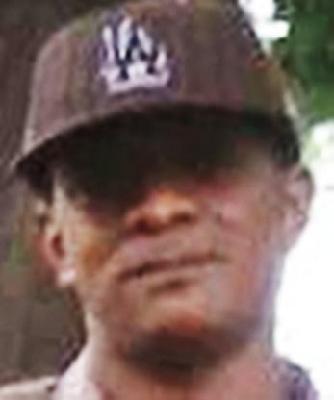
Vasudev Patel, a 49-year-old Hindu Indian immigrant and naturalized U.S. citizen, was tragically killed on October 4, 2001, in Mesquite, Texas. Patel had moved to Texas from India in 1983 and was working at a gas station when he was murdered during an attempted armed robbery. The incident was captured on a store security camera, which recorded Stroman's attack.
The perpetrator, Mark Anthony Stroman, was a 32-year-old American neo-Nazi and spree killer.
Stroman carried out a shooting spree in the aftermath of the September 11 attacks, targeting people he believed to be of Middle Eastern descent. His motive was revenge for the September 11 attacks. Stroman fatally shot Patel during the robbery attempt, making Patel one of the victims of Stroman's violent spree.
Following the murder, Stroman was arrested and charged with capital murder. He was convicted and sentenced to death. The case drew significant attention due to Stroman's motive and the broader context of post-9/11 hate crimes. Despite the tragic circumstances, Patel's death led to a broader conversation about hate crimes and the impact of xenophobia in the United States.
Stroman was executed by lethal injection on July 20, 2011, for his crimes. The case also highlighted the resilience and forgiveness of one of Stroman's surviving victims, Rais Bhuiyan, a Bangladeshi immigrant who was shot but survived the attack. Bhuiyan publicly forgave Stroman and even fought to stop his execution, citing his religious beliefs.
In summary, Vasudev Patel's death was a result of a hate crime committed by Mark Anthony Stroman, who targeted Patel due to his perceived ethnicity in the wake of the September 11 attacks. The case underscored the devastating consequences of xenophobia and the importance of addressing hate crimes in society.