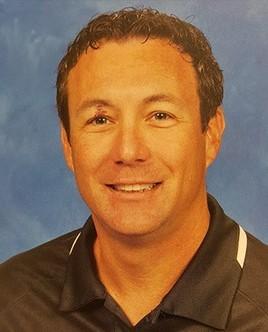
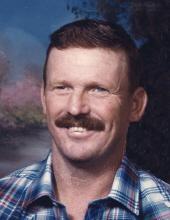
Subir Kumar Chatterjee, a 42-year-old male of Indian descent, was tragically shot and killed on February 15, 2002, at the Coastal gas station and convenience store he co-owned and operated in Oak Ridge North, Texas. The incident occurred during a robbery where a significant sum of money was stolen. Chatterjee was found dead by a fellow employee, having been shot twice at close range in the head and neck.
The store, which also served as a check-cashing business, often had large amounts of cash on hand, and approximately $160,000 was reported missing from the scene.
The initial investigation by the Oak Ridge North Police Department and the Texas Rangers faced numerous challenges. Despite the recovery of DNA evidence at the scene, the case remained unsolved for many years. Witnesses provided vague descriptions of the suspects, who were seen leaving the store in an Oldsmobile Alero with a red paper temporary license tag. The suspects were described as two males, one possibly Middle Eastern and the other with reddish-brown hair. The lack of surveillance footage and concrete leads further complicated the investigation.
In 2018, advancements in DNA technology provided a breakthrough in the case. The Oak Ridge North Police Department, with the assistance of Parabon Nanolabs, utilized genetic genealogy to identify potential suspects. This method, which had been developed within the last few years, involved analyzing DNA evidence collected at the crime scene and comparing it to genealogical databases. The analysis pointed to Martin Isaac Tellez, a 45-year-old male, as the primary suspect. Tellez was residing in Harris County at the time of the murder.
On December 10, 2019, Martin Isaac Tellez was arrested and charged with capital murder. He pleaded guilty to the murder of Subir Kumar Chatterjee and was subsequently sentenced to 60 years in prison. Tellez will not be eligible for parole until he has served at least 30 years of his sentence. The conviction brought a sense of relief to Chatterjee's family, who had endured years of uncertainty and grief. The case, which had remained unsolved for nearly two decades, was finally closed, thanks to the persistent efforts of law enforcement and the advancements in DNA technology.