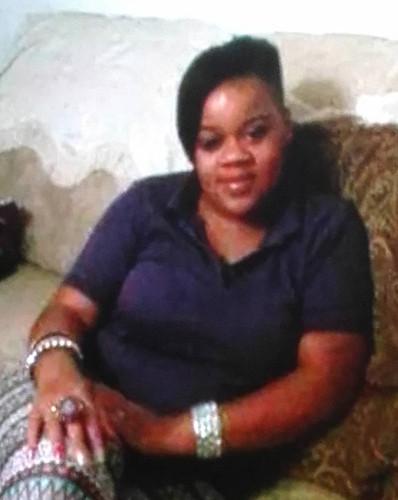
Kenyatta Brown, a 42-year-old Black woman, was found shot in the street on June 12, 2024, in the 1300 block of 45th Street in East St. Louis, across the river from St. Louis. Police were called to the scene and investigators treated it as a homicide almost immediately, describing her as a deceased female located outdoors with a gunshot wound.
As the first hours of the investigation turned into days, the case moved quickly from the street to the courthouse. Illinois State Police agents assigned to the probe gathered what they could and, by the next day, presented the case to the St. Clair County State’s Attorney. A first-degree murder charge was filed against Robert E. Hyde Jr., a Belleville man, naming him as the accused shooter in Brown’s death.
But an arrest did not come right away. Weeks passed while the charge stood, and the search for Hyde stretched beyond the initial aftermath of the killing. On July 29, 2024, the United States Marshals Service took Hyde into custody in Caseyville, Illinois, ending the manhunt and bringing the case into a new phase—one now driven by court dates, jail records, and the slow grind of prosecution rather than the urgency of the original crime scene.
Public reporting and official statements released afterward emphasized the basics: Brown was killed by gunfire, Hyde was charged with first-degree murder, and he was being held at the St. Clair County Jail following his capture. Beyond those core points, authorities did not publicly lay out a detailed narrative of what led to the shooting or what evidence they say ties Hyde to it, leaving the fuller story—motive, moments, and the alleged sequence of events—to be argued in court rather than spelled out in press releases.