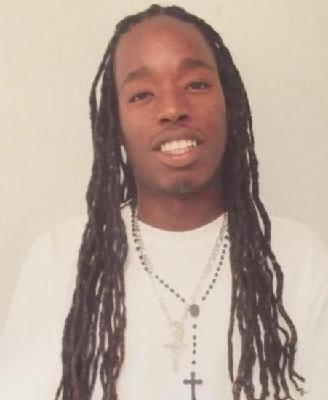
Kadeem J. Robinson, 21, a man from Kansas City, Missouri, was caught up in a burst of gunfire that tore through a neighborhood block party near the intersection of 27th Street and Askew Avenue late on the night of June 25, 2011. The gathering had the familiar feel of a summer weekend—neighbors out in the open air, the kind of night where people linger and talk—until shots rang out and the scene turned frantic.
Police were called to the area around 11:30 p.m., and the early reports described a chaotic, fast-moving incident with multiple victims. Four men were shot that night. Some were hurt but expected to survive; others weren’t as lucky. Rodney Curtis, 29, died after being rushed to a hospital, and Robinson was among those struck so severely that the following days became a fight to stay alive.
For Robinson, the violence didn’t end when the gunfire stopped. He lingered in the aftermath, living with the wounds he’d suffered at the party, until he died on July 10, 2011. His death came more than two weeks after the shooting, turning what had already been a deadly night into a second loss for the community that had gathered there.
In the immediate wake of the shooting, authorities indicated they were still looking for the person responsible, and public reporting at the time did not name a suspect or describe an arrest connected to the gunfire at 27th and Askew. With no suspect publicly identified in those early updates, the story that remained was one of unanswered questions—who opened fire, why it happened at a neighborhood celebration, and how someone willing to shoot into a crowd slipped away afterward.