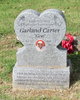
Garland Carter was a beloved presence in St. Louis, Missouri, and the fact of her death on February 21, 2013 still lands with the heavy finality that comes when someone is taken from the everyday rhythm of life. She was an African American woman, 52, and even in the barest outline of what’s known here, it’s impossible not to feel the ache of a life that contained years of mornings and plans and quiet responsibilities—then suddenly had an ending date attached to it.
When a person
dies, it isn’t only a single moment that disappears. It’s a whole collection of ordinary things that never get to happen again: the next phone call, the next errand run, the next laugh in a kitchen, the next time someone turns to her out of habit because she’s always been the one who shows up. In a city as alive and layered as St. Louis, every person is threaded into a web of neighbors, coworkers, family, and friends, and a loss like this doesn’t sit in one place. It ripples outward—into living rooms where her name is spoken softly, into routines that suddenly feel wrong because she isn’t there to take her usual place in them.
What’s provided here does not include the circumstances of her death—no clear description of what happened, no public accounting of the events leading up to February 21, 2013, and no information about who might have been involved, if anyone. That absence can be its own kind of grief. When details are missing, people are left holding questions alongside their sorrow: How did it happen? Was she alone? Did she suffer? Did she know she was loved? The mind reaches for answers because answers can feel like a handrail in the dark, something to hold onto when everything else has shifted.
And yet, even without the specifics, the reality remains: Garland Carter was here. She lived a full span of years that added up to more than a date on a calendar, more than a line in a record. She was someone’s familiar voice, someone’s steady presence, someone who carried memories that no one else could carry in quite the same way. In the wake of her passing, the people who knew her would have been left to sort through the practical pieces—phone calls, arrangements, the strange paperwork of loss—while also trying to make room for the emotional truth that a person can be gone and still feel everywhere.
No information has been provided about arrests, suspects, or any legal proceedings connected to her death. If there were investigations, if there were suspicions, if there were outcomes that brought clarity or accountability, those details aren’t here to tell. What is here is the simplest, most human part: a name, a place, and a date—enough to say that she mattered, and enough to understand that her absence would have been felt in ways that don’t need a case file to be real.
In the end, what can be held close—when the story is incomplete—is the dignity of remembering her as a whole person. Garland Carter was not just the day she died. She was the years before it: the choices she made, the care she gave, the love she offered, the effort it took to build a life in the world. Her death on February 21, 2013 marks a loss for St. Louis and for the circle of people whose lives touched hers, and even with only this small fragment of information, her name deserves to be spoken with tenderness and respect.