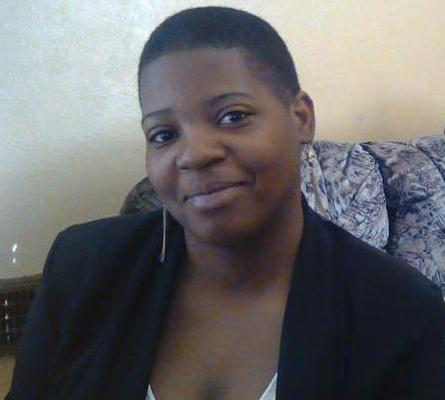
Robyn C. Robel, a White 57-year-old woman, died on April 23, 2013, in St. Louis, Missouri, after being fatally strangled and left along the Riverfront Trail.
What came after had the hush of a city trying to say a name out loud so it wouldn’t vanish into the background noise. Later that year, on the first night of winter, people gathered at Centenary United Methodist Church for the annual “Longest Night” ceremony, a candlelit remembrance for men and women who had been homeless when they died. A bell chimed as clergy read names, one by one, insisting on the dignity of specifics in a world that often reduces people on the street to a blur.
Those who had known Robel through outreach and the downtown day shelter called the Bridge remembered her as more than the way she was found. An Episcopal priest active in homeless ministry, Rebecca Ragland, described her as strong and feisty, with a gravelly laugh, someone who looked out for other homeless people she encountered—someone who, even while struggling, still made room to take care of others. At the memorial, the point wasn’t to retell the violence for its own sake, but to pull her back into focus as a person who had mattered to people around her.
Publicly available reporting about Robel’s death does not describe any arrests, named suspects, or charges connected to the killing. The account that is available emphasizes the stark fact of her strangulation and the place where she was left, and then shifts to the community’s attempt to honor her life in a room filled with candlelight, spoken names, and the stubborn belief that remembrance is a form of justice when answers are still missing.