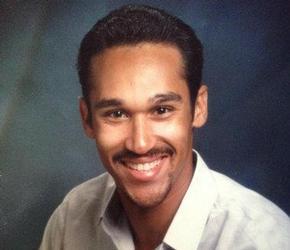
On August 30, 2014, McDaniel Watson, a 50-year-old African American man, died after a late-night walk in George Ward Park in Birmingham, Alabama turned into a robbery attempt and a killing. According to police accounts reported at the time, he was in the park with his wife around 10 p.m. when a man they did not know approached and demanded his wallet; within seconds, a shot rang out and struck Watson in the head. The gunman ran from the park on foot, leaving Watson gravely wounded as his wife tried to make sense of what had just happened.
Rescuers rushed Watson to UAB Hospital, but doctors could not save him. News reports and a Birmingham Police Department homicide bulletin described the case as an active homicide investigation, centered on that brief confrontation—an unknown male, a demand for a wallet, and a single shot that ended the evening. Even in the earliest retellings, the details carried the blunt, unbearable simplicity of street violence: an ordinary moment, a stranger’s threat, a gun fired at point-blank urgency, and a husband collapsing beside the person who had been walking with him.
In the days that followed, Watson’s family and friends gathered in grief and disbelief, holding a candlelight vigil and speaking of the life that had been moving forward right up until the gunshot. His wife described how quickly it happened—hearing words about a wallet, turning, and seeing him shot—then screaming for help as the attacker disappeared into the night. In that same telling, his family recalled small, intimate details that made the loss feel even sharper, including that he still had his Bible with him. They also spoke about plans that had been in motion: he was preparing to start a new job, and the couple had been trying to rebuild after their house had burned the year before.
Watson’s obituary painted a fuller portrait than the crime-scene summaries ever could: a Birmingham native with deep church ties, a former Jones Valley High School band member who served two decades in the U.S. Navy, and a worker in aviation and aircraft-related jobs that took him around the world. It described a husband and father whose family was left to carry forward without him, and it announced funeral services at Jeffries Memorial Christian Church with burial in Elmwood Cemetery.
As for accountability, the public record in the available reporting is thin: police described the suspect only in broad terms and asked the community for information, while later compilations of Birmingham homicides from that year continued to note the case without naming a suspect or listing an arrest. In other words, in the sources available here, the story ends where so many families’ stories end—at an unanswered question, with an investigation described as ongoing, and no publicly identified suspect, arrest, or prosecution tied to Watson’s death.