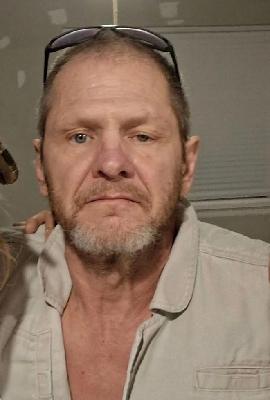
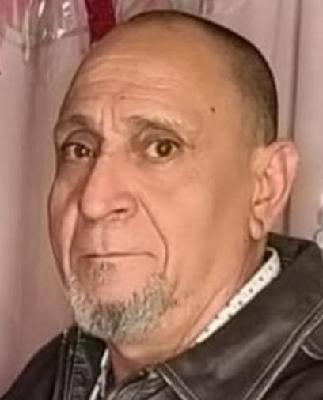
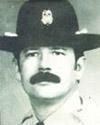
On September 7, 1988, Walden Police Department officer Gary Dockery, a 43-year-old male, responded to what he believed was a routine domestic disturbance call, a summons that would irrevocably alter the course of his life and culminate in his death years later. The call was a fabrication, a deliberate trap set by Samuel Frank Downey, who was intoxicated and harbored resentment towards the police over previous noise complaints.
Upon Dockery's arrival, Downey shot the officer in the head at point-blank range with a. 22-caliber derringer. The catastrophic injury plunged Dockery into a coma-like state, a condition doctors would later describe as a persistent vegetative state.
For over seven years, Dockery remained in this minimally conscious condition, unable to communicate beyond the occasional groan or blink of an eye. His family, including his two young sons, held onto a sliver of hope, tending to him in a nursing home as the world outside moved on. Then, in what was described as a medical miracle, on February 11, 1996, Dockery suddenly awoke. For a period of about 18 hours, he was lucid and talkative, reminiscing with his family about camping trips, the names of his horses, and his green Jeep. He was able to express his love for his sons, who were just 5 and 12 at the time of the shooting.
The remarkable awakening was, however, tragically brief. Dockery's health was precarious; he was battling chronic pneumonia that required surgery. While the surgery to drain fluid from his lungs was successful, he soon lapsed back into a semi-conscious state. Though he showed some signs of alertness and could make short statements, he never fully regained the vibrant consciousness he had displayed during those fleeting hours. On April 15, 1997, more than a year after his miraculous awakening, Gary Dockery succumbed to a blood clot in his lung while at a nursing home in Chattanooga, Tennessee.
Samuel Frank Downey, the man responsible for the shooting, was convicted of attempted murder and received a 37-year prison sentence. He was denied parole and ultimately died while still incarcerated in 2006. Gary Dockery's funeral was attended by over 150 people, a testament to the impact he had on his community. His story, marked by years of suspended life and a brief, poignant return, highlighted the long-reaching consequences of a single act of violence.