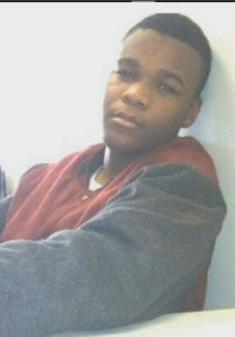
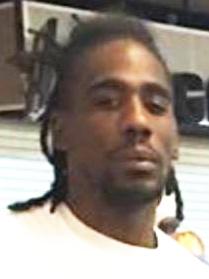
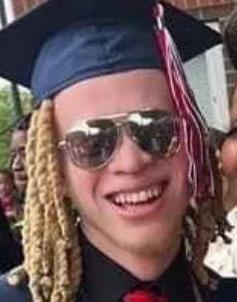
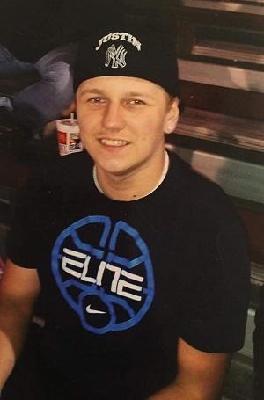
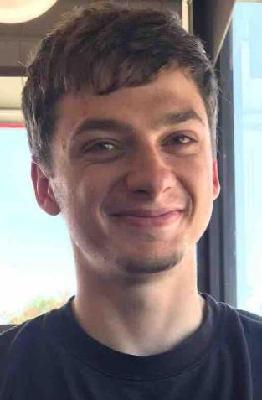
In the winter of 2012, the life of 23-year-old Derrick Sherden, a Black/African American male, was violently cut short in Clarksville, Tennessee. On the night of January 6th, police responded to a call about a shooting and discovered a grim scene at Sherden's residence on Main Street. Inside, they found Sherden and a woman, Amanda Weyland, both deceased from gunshot wounds in what was determined to be a double homicide.
The investigation into the brutal slayings soon uncovered a dark
connection to gang activity. It was revealed that Sherden had associations with the Gangster Disciples street gang. This link led investigators to focus on another known gang member, Brandon Hardison. It is believed that Sherden owed a small drug debt to Hardison, a fellow member of the Gangster Disciples. This dispute is thought to have been the catalyst for the tragic events that unfolded.
In the aftermath, Brandon Hardison was arrested on federal firearms charges. While in custody, law enforcement officials expressed their belief that he possessed knowledge about the murders of Sherden and Weyland. Despite these suspicions, for a period, the case was considered unsolved, with no direct arrests made for the homicides themselves.
However, subsequent legal proceedings brought more clarity to the events of that fatal night. During the trial of other Gangster Disciples members, testimony explicitly identified Brandon Hardison as the individual who murdered Derrick Sherden and Amanda Weyland. A government witness, a long-standing member of the Gangster Disciples, testified that Hardison murdered Sherden in cold blood over the drug debt and then killed Weyland to eliminate her as a witness. Following these murders, it was revealed that Hardison faced scrutiny from the gang's leadership for bringing unwanted attention to their organization.