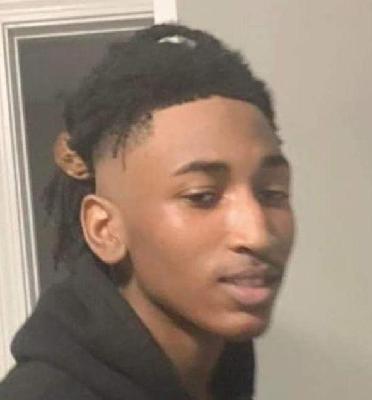
LaDarius Brooks, 24, a Black man from Memphis, Tennessee, was known around his neighborhood by the nickname “Tall 40.” On the night of March 7, 2015, he was at a house where friends and family had gathered, and word was spreading that a mutual friend, Demetris “Fat” Miller, had been shot earlier that day. The mood inside was tense but controlled as people talked through what they’d heard, unaware that the night was about to turn into something far more personal and deadly.
A man witnesses knew as “Lil B” arrived with Vernon Griggs. Inside the house, there was talk about Miller—what happened, who might have been there, what it could mean—but no argument erupted in the living room. After a few minutes, Lil B stepped outside. Not long after, Brooks and others started to drift out as well. Griggs later described a brief, almost ordinary moment—slipping on a patch of ice, someone laughing—before the calm snapped. At the front gate, Lil B confronted Brooks with an accusation: “You set bro up.” Then he pulled a gun and opened fire, shooting repeatedly as Brooks screamed and ran back toward the house, insisting he had nothing to do with it.
From the porch, Matthew Townsel saw the shooting and heard the accusation echoed more than once. Kimberla Townsel, Brooks’s girlfriend, rushed forward when she realized what was happening, pulling him inside while the house spun into panic—someone calling police, someone yelling not to shoot toward the home. Officers arrived around 10:00 p.m. and found Brooks wounded. The scene offered a grim detail: no shell casings, consistent with a revolver being used. Brooks was taken to the hospital and underwent surgery, but the damage was catastrophic; he died hours later. The medical examiner later testified that one bullet entered his right flank and tore into major blood vessels, leading to fatal blood loss despite attempted repair.
In the days that followed, detectives worked to turn street names into legal identities and fear into statements. Witnesses identified Lil B in photographic lineups, and investigators looked into whether Brooks had any connection to Miller’s earlier shooting; the investigation did not uncover information indicating Brooks was involved. An arrest warrant was issued around March 24, 2015, but the suspect wasn’t immediately found. After weeks turned into months, Memphis police enlisted the U.S. Marshals for help locating him.
The suspect, identified in court records as Brandon Johnson, was arrested on June 4, 2015. Prosecutors charged him with premeditated first-degree murder and unlawful possession of a firearm by a convicted felon. At trial in February 2018, the case centered on eyewitness testimony and the sequence of events leading from the accusation at the gate to the gunfire and flight afterward. The jury convicted him, and the court imposed a life sentence for the murder plus a consecutive ten-year sentence for the firearm conviction. Johnson appealed, but the convictions were affirmed in a decision issued November 14, 2019, with the court noting, among other factors, evidence of flight and the strength of the identifications.