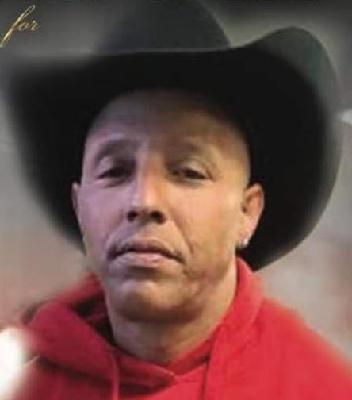
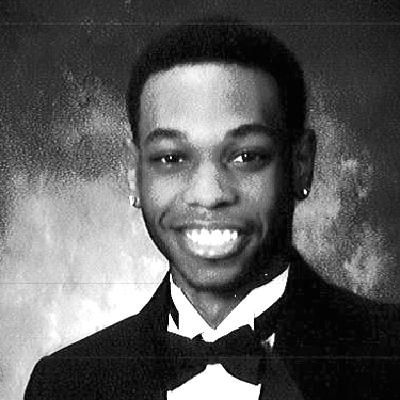
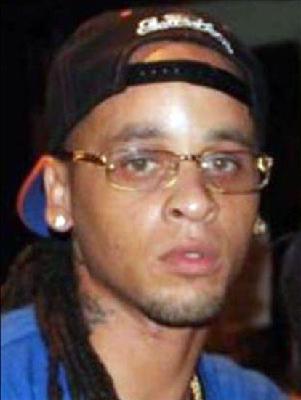
Archie Edward Herring Jr., a 30-year-old Black man, lived most of his brief life in western Tennessee, where family, church, and work wove together the rhythms of his days until his death on June 3, 2009, abruptly severed those ties. Public records preserve only a thin outline: a birth on January 26, 1979, a life that unfolded in and around Fayette County, and then a death in early summer 2009 that left him forever frozen at thirty.
Over time, his name settled into the quiet places where the dead are remembered: an obituary in the Memphis-area press, a memorial entry, and a listing among unsolved killings associated with the Memphis Police Departmentï s cold-case files, where his case is classified as a murder and grouped with other homicides that never reached closure.
Those who knew him rarely spoke of him in formal terms. In the condolences that followed his passing, friends and relatives remembered ï Stinka,ï the nickname that had followed him from childhood into adulthood. One schoolmate recalled early mornings waiting for the bus at the end of Thomas Road, hearing his mother Ruby calling from the car as the kids gathered, the kind of small, everyday scene that becomes precious only in hindsight. Co-workers from Arlington Developmental Center described a man who brought laughter into a hard job, someone ï full of lifeï who joked, smiled, and lifted the mood of the people around him even on difficult shifts. Cousins spoke of a playful presence at family gatherings, the kind of relative who could be counted on to tease, to joke, and to turn an ordinary visit into a memory worth holding onto. His burial in Fayette County Memorial Park in Somerville anchored his story in that small community, where his grave became a physical place for grief in a case that otherwise existed mostly as rumors and unanswered questions.
About the moment his life ended, however, the public record falls almost entirely silent. The homicide databases and cold-case compilations that include his name offer almost no narrativeï no description of a street corner or apartment, no mention of a weapon, no outline of an argument or a robbery gone wrong. Instead, his case appears in the way bureaucracies tend to remember their dead: as a row in a table, with his age, his name, and the stark label of ï murderï attached to an incident that investigators with the Memphis Police Department were never able to resolve.
That absence of detail has consequences. In the years since 2009, there have been no publicly documented suspects named in connection with his killing, no arrest announcements, no trial coverage, and no record of a conviction tied to his death in the online sources that catalog unsolved homicides and court outcomes in Tennessee. His case remains cataloged among open or unresolved killings, a status that implies investigators did not find enough evidence to bring anyone before a judge, or at least that no such progress has been recorded in the databases and public summaries where solved murders usually leave a trace.
What endures instead are fragments: the formal notices of his passing, the cemetery listing that quietly confirms his dates, and the warm, grieving voices in online guest books that insist on remembering him as more than a cold-case statistic. They speak of a man who joked on the job, who was loved by his family, who carried a childhood nickname into adulthood, and whose deathï though officially reduced to a single word, ï murder,ï in a crime databaseï left a wound in the lives of those who knew him that has never been publicly healed by answers, arrests, or justice.