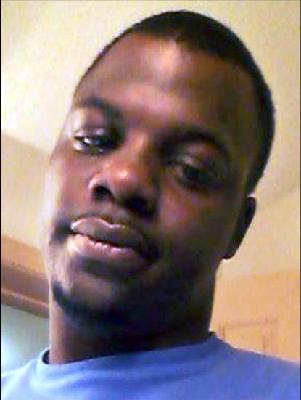
In the fading light of a September evening in Memphis, a life was cut tragically short, leaving a family grappling with questions and a sense of justice unfulfilled. On September 9, 2016, 17-year-old Joshua Cooper, a young male, was fatally shot at the Hillcrest Apartments in what authorities would later describe as the outcome of a struggle over a firearm.
The events of that day unfolded into a chaotic and ultimately lethal confrontation. According to police reports, Joshua Cooper was with another individual, Antonio Henley, when an altercation erupted. Investigators determined that a single shot was fired during a physical struggle for control of a handgun, a shot that struck and killed the teenage Cooper. The immediate aftermath of the shooting was filled with confusion and the swift arrival of law enforcement.
As the Memphis Police Department delved into the circumstances surrounding the shooting, the narrative that emerged was one of a dispute that escalated with the introduction of a deadly weapon. The investigation focused on the moments leading up to the fatal discharge, attempting to piece together the actions of both Cooper and Henley. The Shelby County District Attorney's office reviewed the findings of the police investigation to determine if criminal charges were warranted.
Ultimately, the District Attorney's office concluded that the evidence suggested the shooting occurred during a mutual struggle for the weapon. Citing a lack of sufficient evidence to overcome a potential claim of self-defense, prosecutors declined to file charges against Antonio Henley. This decision, while based on the legal interpretation of the available evidence, was a source of profound anguish for Joshua Cooper's family. They publicly voiced their pain and frustration, with Cooper's brother making impassioned pleas for what he felt was justice for his younger sibling. For them, the loss of a 17-year-old son and brother in such a violent manner, without a subsequent criminal trial, remained an open wound.