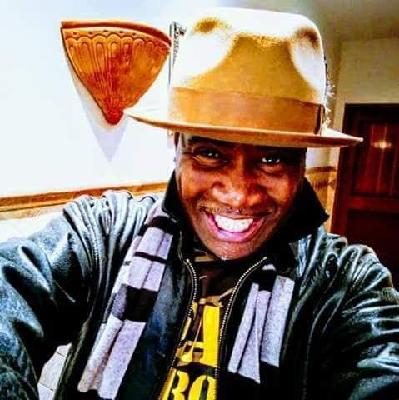
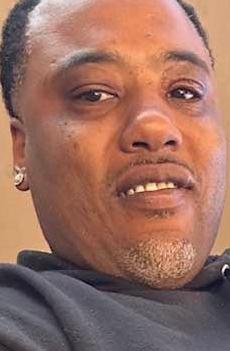
Lawrence King Jr. was a 44-year-old African American male from Memphis, Tennessee, whose life ended on May 16, 2017. In the days that followed, the public record of his death was carried in an obituary notice tied to a Memphis funeral home, while friends and relatives left brief, stunned messages of grief in an online guest book—small snapshots of a person whose absence suddenly felt impossible to explain.
That Tuesday afternoon, violence found King in the Castalia Heights area.
Memphis police said a shooting unfolded in the 1300 block of Chadwick Circle just before 1 p.m., and the victim was rushed to the Regional Medical Center in critical condition. The injuries proved fatal, and police confirmed the victim died after being taken to the hospital.
Investigators described the shooting as personal—police said the victim was shot by someone the victim knew. But the suspect who fled left little for strangers to recognize: a clothing description that felt more like a shadow than a face—long-sleeved blue shirt, blue-checkered pants, orange and blue shoes—and the possibility of a black PT Cruiser used to slip away. As the day closed, the case remained open and police reported that no arrests had been made.
The public trail after that first burst of news runs thin. In the same window when police were still searching, King’s death notice pointed mourners toward funeral arrangements in Memphis, while the known investigative details stayed fixed: the location, the time, the flight of the suspect, and the unanswered question of who pulled the trigger and why. In the sources available online without relying on restricted or excluded sites, no later arrest, charging document, trial, or conviction is publicly detailed for this killing.