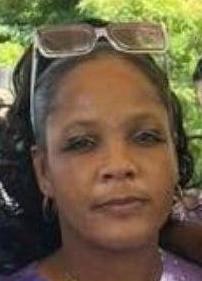
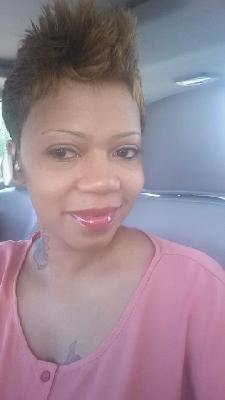
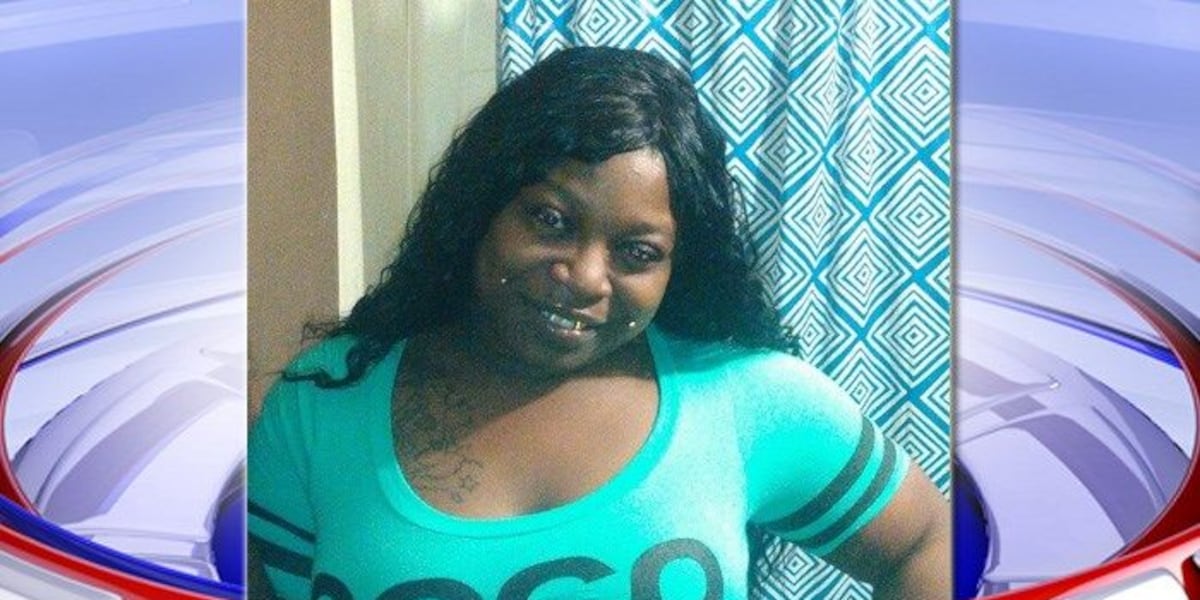
Timeka Coleman, 32, was a Black female from Memphis, Tennessee, and in the early hours of September 29, 2017, the quiet pause of a late-night McDonald’s drive-thru became a scene of sudden chaos. A car sat in line near Winchester and Millbranch, waiting its turn, when gunfire tore through the darkness. Officers found Coleman inside a black Chevrolet Malibu with multiple gunshot wounds, and the violence did not end with the first burst—another person in the vehicle was also hit and left
critically injured.
Investigators described the attack as shots fired from a vehicle that pulled alongside, and in the first frantic hours, the trail was mostly fragments—sirens, shell casings, and a shaken family trying to make sense of what could not be undone. Coleman was taken to Regional One, but the injuries were fatal. Police appealed for help as they tried to identify whoever rode up and opened fire, describing the suspect vehicle as a gold, four-door Infiniti and emphasizing that two shooters were believed to be involved.
As the days turned into weeks, Coleman’s relatives spoke publicly about the ache left behind and the fear that the wrong person had paid the price. They said Coleman had recently begun dating the driver, and they believed the gunfire was meant for him instead. The wounded driver, they said, managed to run to a nearby gas station for help after being shot, while Coleman could not escape the line of fire. In their grief, the family warned others to be careful about the dangers that can follow a new relationship when someone’s past comes calling.
Court records later laid out how investigators said the case began to come into focus about a month after the shooting, when an anonymous tip pointed to two brothers as the shooters and even supplied an address—along with a claim that the vehicle involved had been spray-painted. When police went to the location, they reported finding an Acura that matched the shooter vehicle description, freshly coated in paint, with multiple black spray-paint cans nearby. After obtaining a search warrant, investigators searched the vehicle and the residence, recovering items they later tied to the case: a receipt linked to Jonathan Hamilton, a spray-paint can, a. 40-caliber casing in the car, and inside the home a. 45-caliber firearm along with ammunition and shell casings. Forensic testing, the records said, connected the recovered firearm to evidence from the scene and to a bullet recovered from one of the victims, and investigators reported that DNA associated with Jonathan Hamilton was present on the firearm, with fingerprints also found on the spray-paint can and throughout the vehicle.
The surviving victim, identified in the court filings as Quentin Shipp, initially told officers he knew who shot him but only by a nickname—“Hoover Joe,” which officers identified as Joseph Hamilton. In a series of photo lineups, Shipp identified Jonathan Hamilton and then Joseph Hamilton as the shooters, and a Shelby County grand jury charged both brothers with the murder of Coleman during the perpetration of, or attempt to perpetrate, the first degree murder of Shipp, along with attempted first degree murder and employing a firearm during a dangerous felony. But by the time the case reached a jury years later, the story in the courtroom grew complicated: Shipp could not be located for a preliminary hearing, and at trial he testified that he did not remember that night and did not know who shot him, claiming officers pressured him during the investigation—claims the prosecution disputed as it relied on physical evidence and earlier identifications.
The trial of Jonathan Hamilton began on April 17, 2023, and the jury convicted him of first degree felony murder, attempted first degree murder, and employment of a firearm during the commission of a dangerous felony. The sentence was life in prison plus twenty-six years, and the convictions and consecutive sentences were upheld on appeal in a decision filed in 2024. Publicly available appellate records describe the charges against Joseph Hamilton as well, though that opinion centered on Jonathan Hamilton’s case and did not resolve the full outcome of the brother’s prosecution.